Market Overview
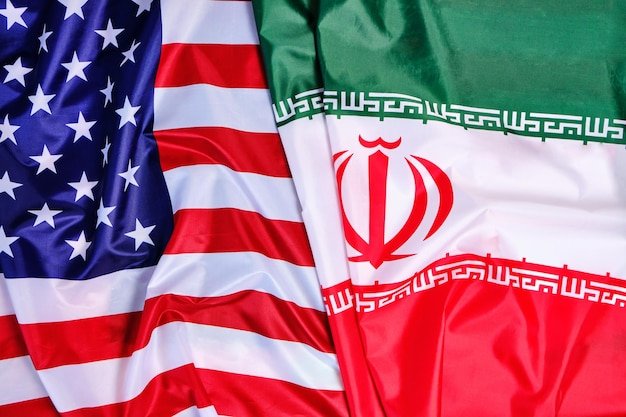
Prediction markets currently assign a 22.5% probability to a permanent peace agreement between the United States and Iran by the end of May 2026. With nearly $10 million in trading volume, the market reflects genuine uncertainty about the likelihood of a comprehensive settlement to decades of hostility. The stable probability over the past 24 hours suggests the market has settled into a relatively steady assessment of the baseline conditions, absent new developments or diplomatic breakthroughs.
Why It Matters
A permanent peace deal between the US and Iran would rank among the most significant geopolitical shifts in recent history. The two nations have experienced open military confrontation, proxy warfare, and sustained economic sanctions since Iran's 1979 revolution. Any durable agreement would require resolving fundamental disputes over Iran's nuclear program, regional military activities, sanctions architecture, and competing spheres of influence across the Middle East. The stakes extend beyond bilateral relations to the broader stability of the region, global energy markets, and international non-proliferation frameworks.
Key Factors Driving the Probability
The 22.5% probability reflects several crosscurrents. On one hand, the historical difficulty of US-Iran negotiations, the structural mistrust between governments, and the complexity of verifiable enforcement mechanisms all weigh against a deal. Domestic political constraints in both countries—including hardline factions opposed to compromise—further complicate diplomacy. Previous attempts, including the 2015 Joint Comprehensive Plan of Action (JCPOA), ultimately unraveled, demonstrating the fragility of even formally negotiated agreements.
Counterbalancing these headwinds, the market may be accounting for the possibility that deteriorating regional conditions, economic pressure, or leadership changes could create unexpected openings. The resolution criteria require explicit language signaling a permanent end to military hostilities, setting a relatively high bar that excludes temporary ceasefires or incremental confidence-building measures. The definition's stringency suggests that what traders are pricing at roughly 1-in-4 odds is a genuine, binding commitment rather than a narrow technical agreement.
Outlook
The market's current equilibrium reflects deep skepticism tempered by acknowledgment of non-zero tail risk. With 16 months until the deadline, significant diplomatic movement or geopolitical shocks would likely shift probabilities materially. Traders and analysts should monitor indicators including direct diplomatic channels, statements from senior officials in both countries, regional developments affecting Iranian and American strategic interests, and any shifts in domestic political dynamics that might alter negotiating positions. The stable 22.5% reading suggests the market views a deal as unlikely but not implausible within the given timeframe.