Market Overview
Prediction markets are pricing the likelihood of Iran agreeing to end all uranium enrichment by June 30, 2026, at 25.5%, with trading volume around $663,500 indicating sustained interest in the outcome. The modest probability reflects the substantial gap between current conditions and the diplomatic achievement required for resolution. The market has remained stable at this level over the past 24 hours, suggesting that traders have reached a relatively settled view on the near-term prospects, absent new developments.
Why It Matters
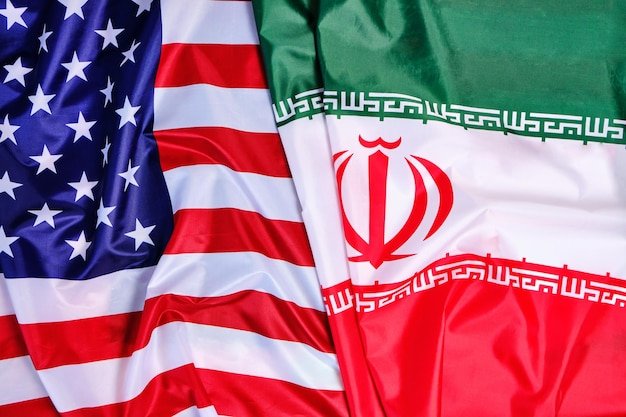
Iran's uranium enrichment program has long been at the center of international nuclear diplomacy and regional security concerns. An Iranian commitment to halt enrichment entirely would represent a dramatic reversal from the nation's stated position and current trajectory, where enrichment activities have expanded since the 2015 Joint Comprehensive Plan of Action (JCPOA) collapsed in 2018. Such an agreement would carry significant geopolitical weight, potentially reshaping U.S.-Iran relations, regional stability calculations, and international nuclear nonproliferation frameworks. The market's resolution criteria are notably inclusive—accepting unilateral pledges, bilateral agreements, or commitments made as part of broader peace processes—yet the 25.5% probability suggests traders believe even this broad standard is unlikely to be met within the timeframe.
Key Factors
Several structural obstacles constrain the probability. First, Iran views uranium enrichment as a sovereign right and symbol of technological independence; abandoning it entirely would constitute a major political concession domestically. Second, the current geopolitical environment—marked by U.S.-Iran tensions, proxy conflicts in the region, and the absence of active high-level diplomatic engagement—provides limited institutional machinery for such negotiations. Third, previous diplomatic efforts, including the JCPOA, have proven fragile, and trust between parties remains low. The 18-month timeframe to June 2026 offers a window for diplomatic initiatives, but recent history suggests that fundamental shifts in Iran's nuclear posture require either sustained multilateral pressure or significant incentive structures that appear absent. Conversely, a change in U.S. administration, unexpected economic pressure on Iran, or a major regional realignment could alter incentive structures in ways that might accelerate negotiations.
Outlook
For the probability to shift meaningfully upward, traders would likely need to see concrete signals: active shuttle diplomacy involving major powers, Iranian leadership statements suggesting flexibility on enrichment, or binding international agreements offering substantial economic relief in exchange for nuclear concessions. Downward pressure could emerge from continued enrichment expansion or explicit Iranian statements reaffirming the program. The 25.5% level reflects a market view that while not impossible, an Iranian commitment to end enrichment entirely remains a low-probability event within the specified timeframe, one that would require exceptional diplomatic circumstances to materialize.