Market Overview
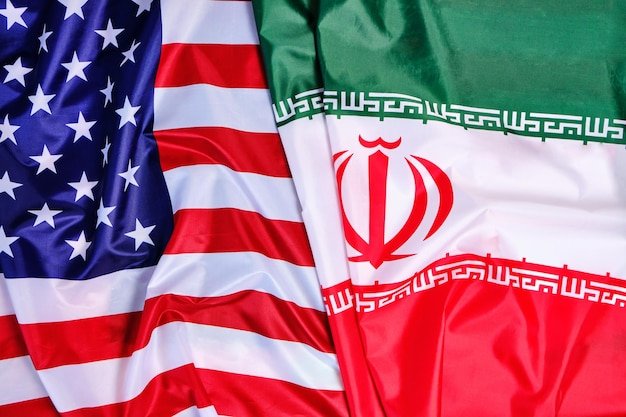
Prediction market participants are assigning a 22.5% probability to a US-Iran permanent peace deal by May 31, 2026, with trading volume at approximately $10 million indicating substantial interest in the outcome. The probability has remained stable over the past 24 hours, suggesting markets have settled on a baseline assessment that reflects the considerable obstacles to such an agreement. The market's definition requires either a signed written agreement or public confirmation from both governments that military hostilities will permanently cease—a demanding threshold that rules out temporary ceasefires or preliminary accords.
Why It Matters
A permanent peace agreement between the United States and Iran would represent a historic shift in Middle Eastern geopolitics, potentially resolving decades of tension that has shaped regional security, oil markets, and nuclear proliferation concerns. The relatively low probability assigned by markets underscores the difficulty of bridging the two nations' competing interests: Iran's nuclear program and regional influence ambitions versus US security commitments to regional allies and nonproliferation objectives. Given the roughly 16-month window until the May 2026 deadline, the market's assessment suggests that meaningful progress toward a durable agreement faces formidable headwinds.
Key Factors
Several structural factors weigh against a permanent deal materializing by the deadline. First, the historical pattern of US-Iran negotiations shows negotiations typically unfold over years rather than months; the original Joint Comprehensive Plan of Action (JCPOA) took roughly a decade of diplomatic groundwork. Second, domestic political constraints in both countries complicate progress—the US presidential cycle and Congressional skepticism toward Iran deals intersect with Iran's own factional politics, where hardliners have consistently opposed major concessions. Third, the market's requirement for explicit language about permanent cessation of military hostilities sets a high bar; temporary arrangements, ceasefires, or agreements that lack permanence clauses would not qualify.
The geopolitical context remains volatile, with proxy conflicts in Yemen, Iraq, and Syria continuing to generate friction points. Regional tensions, particularly involving Israel and US-aligned Gulf states, create additional complications for negotiators seeking to establish durable peace rather than tactical truces.
Outlook
For the probability to shift materially upward, markets would likely require either explicit public statements from both governments indicating serious negotiations are underway with concrete timelines, or evidence of breakthrough progress on foundational issues such as nuclear verification protocols or sanctions relief. The 22.5% probability suggests markets view such developments as possible but distinctly minority scenarios over the next 16 months. Downward pressure could come from renewed military incidents, escalatory rhetoric, or domestic political shifts that make either government less willing to pursue permanent agreements. The market remains open to surprises, but current pricing reflects a judgment that the structural and political barriers to a permanent peace deal remain substantially higher than the probability of agreement.