Market Overview
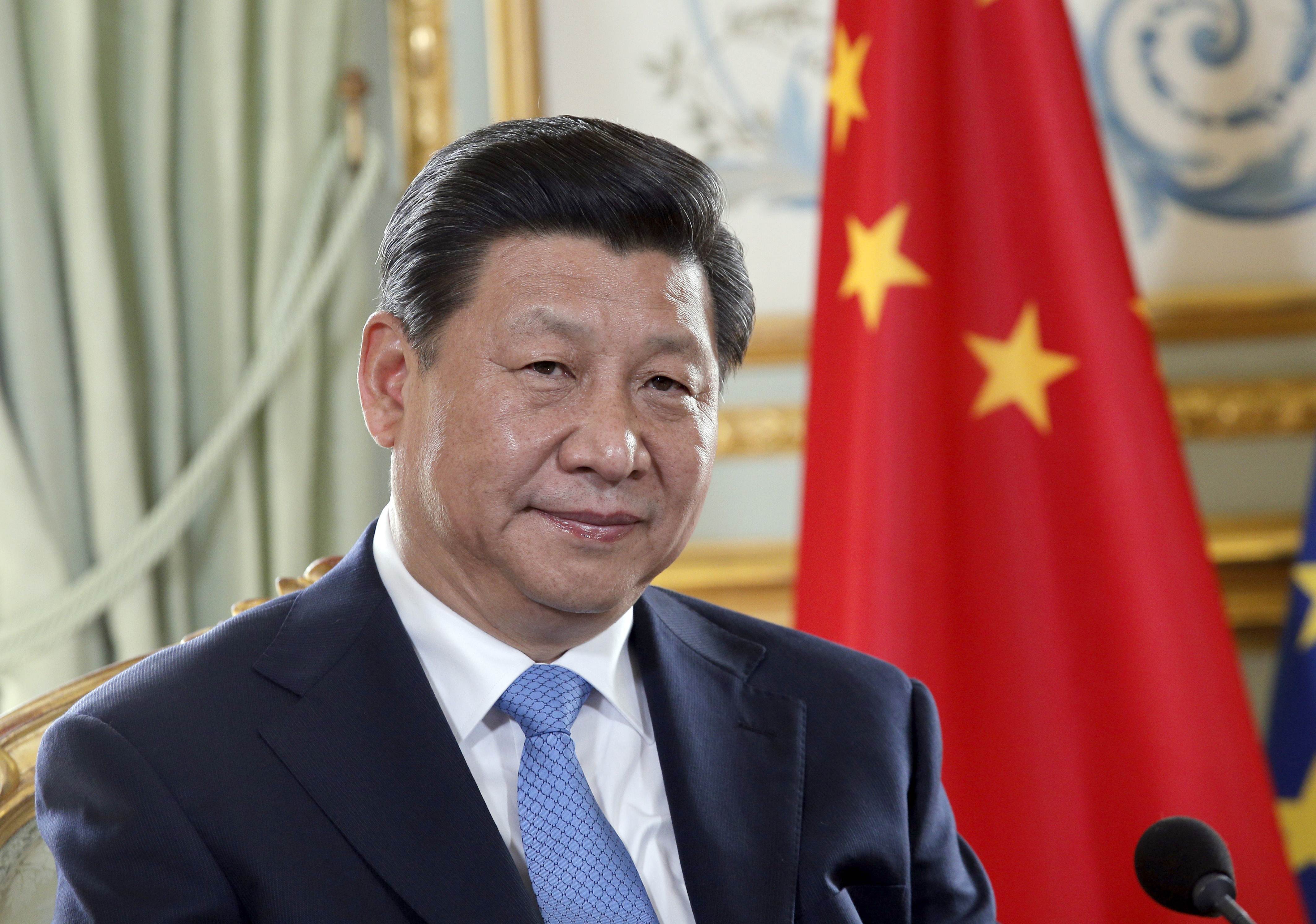
The prediction market for Xi Jinping's potential removal from power stands at 2.2% probability, indicating traders view an involuntary exit as an extremely unlikely event over the next 18 months. With over $2 million in accumulated volume, the market has attracted meaningful participation despite the modest odds, suggesting that even small-probability assessments of Chinese leadership transitions warrant hedging by some participants. The stable probability reading over the past 24 hours reflects an absence of new developments sufficient to shift market sentiment.
Why It Matters
Xi Jinping's position as General Secretary represents one of the world's most consequential power bases, with direct implications for global geopolitics, trade relations, and regional stability. Any unexpected change in Chinese leadership could trigger significant market volatility across equities, currencies, and commodities. For investors and analysts monitoring China, understanding how prediction markets price regime-change scenarios—however improbable—offers insight into tail-risk assessments and institutional confidence in the stability of Beijing's political system.
Key Factors
The 2.2% probability reflects several structural realities of contemporary Chinese governance. Xi Jinping has consolidated power through his tenure as General Secretary and Chairman of the Central Military Commission, eliminating many traditional institutional checks that might have forced earlier leadership transitions. The CCP's succession mechanisms lack transparency, and orderly transitions typically occur on fixed five-year cycles set well in advance. The next scheduled transition is 2027, making removal within the next 18 months contingent on extraordinary events such as severe health crises, internal party fracture, or unprecedented military/security developments. Historical precedent in post-Deng China favors institutional stability; no General Secretary has been forcibly removed since the Cultural Revolution era.
Outlook
For this market to move materially higher, traders would likely require evidence of significant factional conflict, demonstrable health concerns, or major external shocks destabilizing the political system. Short of such developments, the 2.2% probability appears calibrated to genuine low-probability scenarios rather than reflecting serious market expectations of imminent change. Market participants should monitor for signs of leadership discord, military instability, or unprecedented economic deterioration—factors that could gradually shift market pricing. The substantial volume despite minimal odds suggests some investors value the asymmetric payoff of improbable but high-impact outcomes, a rational hedge given the consequential nature of potential Chinese leadership transitions.