Market Overview
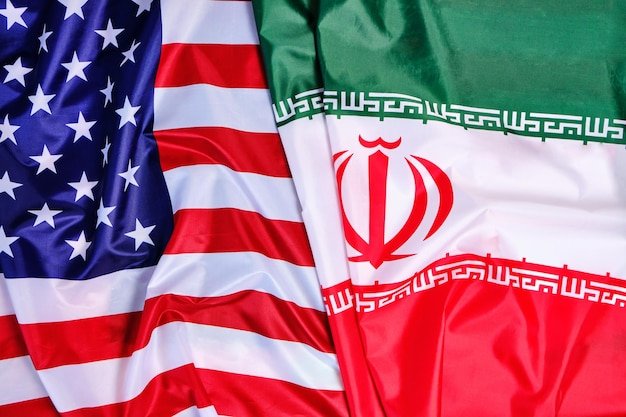
Prediction markets are valuing the probability of a US-Iran nuclear agreement by December 31, 2026, at 53.5%—essentially a coin flip. With $861,792 in trading volume, the market reflects meaningful engagement from traders weighing the diplomatic prospects. The stability of this probability over the past 24 hours suggests the market has settled into an equilibrium reflecting current geopolitical conditions rather than reacting to breaking news.
Why It Matters
A nuclear agreement between the United States and Iran would represent a significant geopolitical development with implications for Middle East stability, global energy markets, and US foreign policy. The market's near-even odds underscore how fundamentally uncertain the path forward is. The timeframe—less than two years away—makes this a medium-term bet that depends on political calculations and diplomatic will from both administrations.
Key Factors
Several dynamics shape the current probability. The incoming Trump administration's historical rejection of the 2015 JCPOA creates substantial skepticism about US willingness to pursue a new agreement in this timeframe. Conversely, the Iranian government faces domestic economic pressures and international isolation that could theoretically incentivize negotiations. The market's 53.5% probability suggests traders see these cross-currents as roughly balanced—neither side has overwhelming incentive, yet neither has ruled out diplomacy entirely. The definition requiring a publicly announced agreement (not just preliminary framework) sets a relatively high bar, and the extended timeline through 2026 provides some window for conditions to shift. Critical variables include changes in US political circumstances, Iranian leadership stability, regional tensions, and international pressure from allies or intermediaries.
Outlook
The market's positioning at near-even odds is likely to remain volatile around key political events: US policy announcements, Iranian elections or leadership transitions, and any regional escalations. A sustained period of diplomatic engagement or a major sanctions escalation could shift the probability decisively in either direction. Traders should monitor official statements from both governments and credible reporting on back-channel negotiations, as any serious diplomatic initiative would likely register quickly in market pricing.