Market Overview
Prediction markets are currently valuing the probability of a US-Iran nuclear agreement before the end of 2026 at 53.5%, a coin-flip assessment that reflects genuine uncertainty about the trajectory of one of the world's most intractable diplomatic challenges. With roughly two years remaining until the resolution deadline, the market has stabilized at this near-equilibrium level, suggesting traders see roughly balanced odds between a negotiated settlement and continued deadlock. The market has attracted meaningful volume, with $861,792 traded, indicating serious interest from participants tracking US-Iran relations and nuclear policy.
Why It Matters
The prospect of a US-Iran nuclear agreement carries significant implications for regional stability, global energy markets, and US foreign policy. Any deal would need to address the fundamental issues that have stalled negotiations since the Trump administration withdrew from the 2015 Joint Comprehensive Plan of Action (JCPOA) in 2018: Iranian nuclear enrichment levels, the scope of inspections, sanctions relief, and verification mechanisms. An agreement would represent a major diplomatic achievement, while continued failure to reach a deal increases risks of military escalation and further nuclear proliferation in the Middle East.
Key Factors
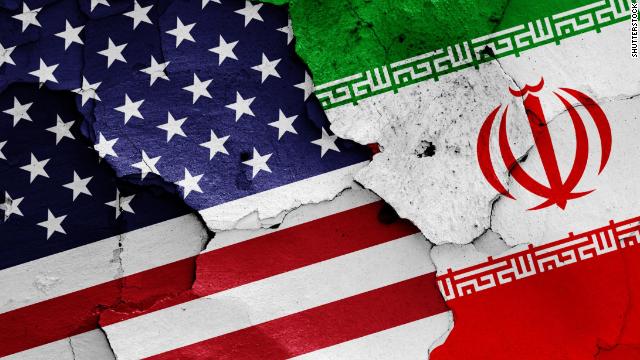
The 53.5% probability reflects several countervailing forces. On one side, sustained diplomatic engagement remains theoretically possible, and both sides have periodically signaled willingness to negotiate. The market's assessment above 50% suggests traders see genuine prospects for a breakthrough. However, multiple structural obstacles weigh heavily: the 2024 US presidential election and potential policy shifts, Iran's continued advancement of its nuclear program, competing regional interests from Israel and Gulf states, and the deterioration of US-Iran relations over recent years. The timing constraint of a 2026 deadline is also significant—diplomatic breakthroughs of this magnitude typically require extended negotiations, making a two-year window relatively compressed for resolving disputes that have festered for decades.
Outlook
Market participants appear to be pricing neither optimism nor pessimism, but rather genuine ambiguity about a highly contingent outcome. Movement in this probability would likely be triggered by concrete developments: formal resumption of direct talks, significant shifts in US or Iranian political leadership, regional military incidents that either escalate or de-escalate tensions, or public statements signaling movement on core disagreements. The current 53.5% reading suggests the market sees this as a genuine toss-up, with the next 24 months potentially decisive in determining whether negotiations gain momentum or stall entirely.