Market Overview
A high-volume prediction market on potential US military ground operations in Iran is currently pricing the event at just 0.7% probability—or roughly 1 in 143 odds—that active US military personnel will physically enter Iranian territory by December 31, 2024. With over $17.8 million in trading volume, the market reflects substantial liquidity and confidence in the pricing, with no significant movement in the past 24 hours. The specificity of the market's resolution criteria—requiring \"active US military personnel\" to \"physically enter\" terrestrial Iranian territory, while excluding special operations advisors, contractors, and diplomatic personnel—narrows the scope to direct combat or direct-action operations.
Why It Matters
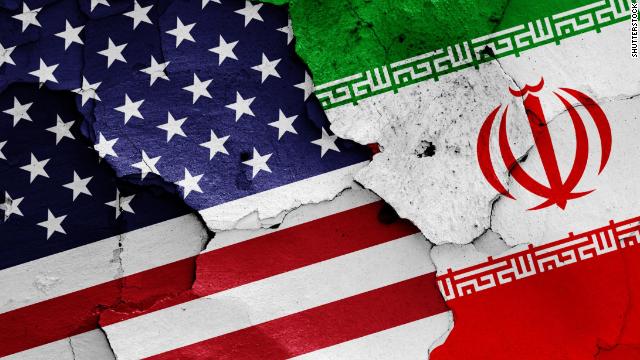
The probability embedded in this market carries geopolitical significance. A 99.3% confidence level that US forces will not enter Iran this year suggests traders view current US-Iran tensions as unlikely to escalate into direct military ground operations despite periodic flare-ups in the region. This assessment shapes risk perception across commodity markets, defense stocks, and broader geopolitical risk assets. An actual US ground incursion into Iran would represent a dramatic escalation with global implications, making the low probability pricing notable as a market-based judgment on the current trajectory of US-Iran relations and the Biden administration's operational posture.
Key Factors
Several dynamics appear to anchor the market's low-probability assessment. First, the time horizon is compressed—fewer than six weeks remain in the year, limiting the window for such a major military operation to commence. Second, the Biden administration has historically preferred aerial and missile strikes, drone operations, and proxy conflicts over ground invasions in the Middle East, particularly given the costly legacy of Iraq and Afghanistan. Third, the resolution criteria's exclusion of military advisors and special operations \"advisors\" in diplomatic contexts reflects the reality that small US military presences in Iraq and elsewhere operate in advisory capacities without triggering major escalations. The high bar for qualifying—requiring active personnel to physically breach Iran's land borders—is notably different from cyber operations, air strikes, or covert activities that might occur without satisfying the market's conditions.
Outlook
Movement in this probability would likely require either a major shift in US military posture toward Iran or a severe triggering event (such as a direct Iranian attack on US personnel or assets that prompts immediate retaliation). The sustained 99.3% pricing suggests market participants see the status quo of limited direct confrontation and proxy conflicts as the baseline scenario. Traders monitoring this market should watch for significant shifts only in the context of unexpected escalation signals—statements from senior US officials, repositioning of US military assets toward Iran, or major Iranian provocations that exceed historical patterns. Absent such developments, the market's consensus appears stable and reflects a measured assessment of near-term military risk.