Market Overview
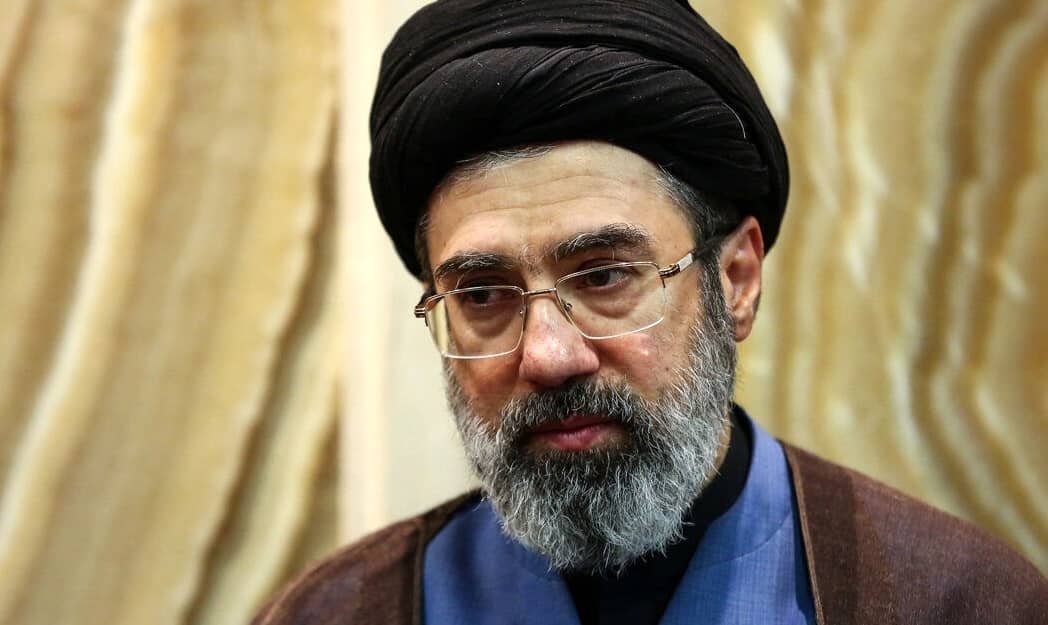
Prediction markets currently value the probability of a leadership change in Iran's top position at 33.5%, with the question specifically targeting whether Mojtaba Khamenei—the current Supreme Leader—will lose his position as de facto leader before year-end. The market has sustained this probability level over the past 24 hours, indicating stable participant sentiment despite the compressed timeframe of roughly 11 months remaining. Trading volume of $2.1 million reflects moderate institutional interest in the outcome, though not the highest-volume geopolitical markets.
The 33.5% probability implies traders see a meaningful but still unlikely scenario for near-term leadership transition. For context, this probability is substantially higher than base rates for sudden changes in entrenched authoritarian leadership, suggesting market participants are pricing in specific risk factors beyond typical political stability assumptions.
Why It Matters
Iran's Supreme Leader holds ultimate authority over the military, judiciary, and state media, making succession one of the highest-stakes political transitions in the Middle East. Any change in this position would reshape Iranian domestic policy, regional conduct, and international relations—affecting everything from nuclear negotiations to proxy military activities. The market's 33.5% assessment suggests traders believe there is a notable probability of disruption to the current power structure, whether through forced removal, health crisis, detention, or other loss of control mechanisms outlined in the resolution criteria.
Key Factors
Several elements appear to be driving this probability. First, health and longevity considerations are inherent in any aging leadership market; Khamenei is 85 years old, and succession planning in closed systems creates uncertainty about transitions even under normal circumstances. Second, the resolution criteria explicitly include detention or removal from power—not just death—opening the door to outcomes related to internal power struggles, pressure from rival factions, or external intervention. Third, regional instability and international sanctions create ongoing stress on Iran's political system, potentially destabilizing the leadership structure. Fourth, the position is relatively new; Mojtaba Khamenei was only formally designated as potential successor in recent years, and his consolidation of power may not be complete relative to other elite factions.
Outlook
The market will likely remain sensitive to reporting on Khamenei's health, visible signs of internal power struggles within Iran's clerical establishment, major geopolitical escalations in the Middle East, or any public statements regarding succession. The 33.5% probability suggests traders are not expecting imminent change as a central scenario, but they are factoring in meaningful tail risk. Developments that could shift this probability upward include credible health reports, signs of institutional challenges to his authority, or escalating international confrontation. Conversely, evidence of stable control and clear succession plans could lower the odds. The compressed timeline through year-end means the market is pricing binary risk rather than gradual uncertainty—either disruption occurs within 11 months or it does not.