Market Overview
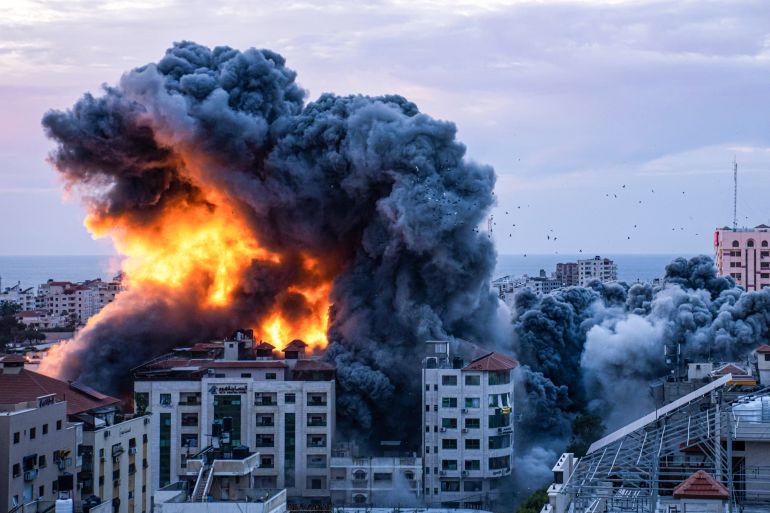
A specialized prediction market focused on potential military action against Iran's Isfahan Nuclear Technology Center is currently trading at 100% implied probability, indicating near-complete market certainty that either the United States or Israel will conduct a kinetic strike against the facility by March 31, 2026. The market has maintained this level consistently over the past 24 hours with $1.37 million in trading volume, suggesting active participation despite the extreme probability assessment. The market defines a qualifying strike as a successful kinetic military operation—including drone strikes, missiles, aerial bombing, or ground operations—while explicitly excluding cyber attacks, sanctions, or diplomatic measures that fail to reach their target.
Why It Matters
The Isfahan Nuclear Technology Center represents a strategically significant site within Iran's nuclear program, and the market's pricing reflects the genuine possibility of military escalation in a region where tensions between Iran and Western powers have periodically intensified. Direct strikes on Iranian nuclear facilities would represent a dramatic escalation with potentially far-reaching consequences for regional stability, oil markets, and international relations. The market's extreme probability weighting suggests participants view a strike not merely as plausible but as virtually inevitable within the assessment window, a positioning that merits scrutiny given the significant assumptions embedded in such certainty.
Key Factors Driving Probability
Several factors appear to underpin the market's assessment. Historically, both Israel and the United States have conducted or contemplated strikes on Iranian nuclear targets—including the 2007 Israeli strike on Syria's reactor and longstanding discussions about Iranian nuclear capabilities. Current regional tensions, Iran's ongoing nuclear program development, and periodic escalatory rhetoric from multiple parties create a backdrop where military action is considered within the realm of possibility by security analysts. Additionally, the 16-month timeframe through March 2026 provides a substantial window during which geopolitical circumstances could trigger such action. However, the 100% probability reading suggests the market may be overweighting these factors or reflecting a specific near-term event expectation rather than a considered probabilistic assessment across the full resolution window.
Outlook and Uncertainties
While the current market price reflects high conviction, several developments could shift the probability materially. De-escalation efforts, diplomatic breakthroughs on nuclear negotiations, or changes in regional threat perceptions could reduce the likelihood of military action. Conversely, evidence of accelerated nuclear weapons development or critical diplomatic failures could reinforce the current market positioning. The 100% probability level—historically rare in prediction markets covering geopolitical events—may indicate either that participants have access to non-public information suggesting imminent action, or that the market has priced in an outcome with insufficient nuance. Traders and observers should monitor official statements from U.S. and Israeli officials, Iranian nuclear program developments reported by the International Atomic Energy Agency, and broader Middle Eastern security developments as potential catalysts for repricing.