Market Overview
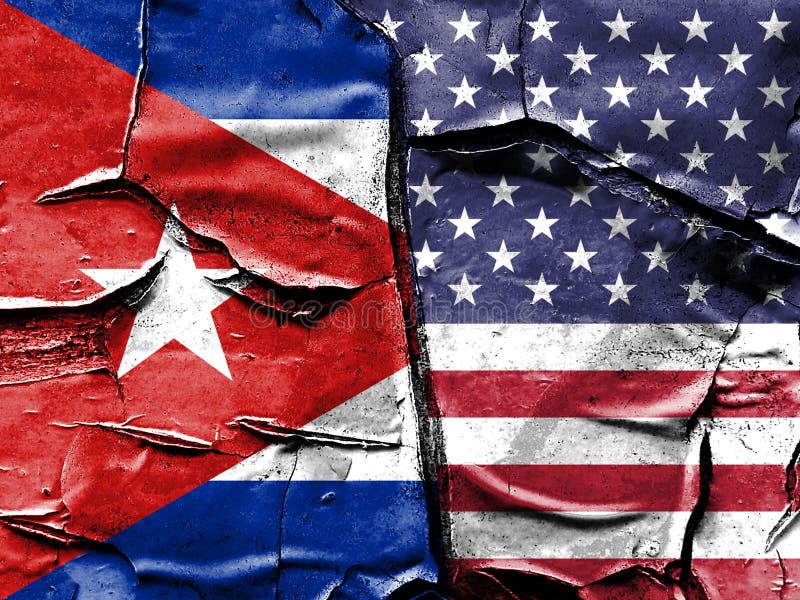
Prediction market traders are assigning roughly one-in-three odds that the United States will conduct an aerial, drone, or missile strike on Cuban territory before December 31. The market has attracted over $1 million in volume, indicating substantial trader interest in the outcome. The probability has remained stable at 36.5% over the past 24 hours, suggesting the market has largely priced in current conditions without significant new catalyst expectations in the near term.
The resolution criteria are narrowly defined: only US-initiated aerial bombardment, drone strikes, or missile strikes that physically impact Cuban soil qualify. Ground incursions, naval shelling, cyberattacks, and intercepted strikes do not count. Any strike claimed by either Donald Trump or the US government would trigger a \"Yes\" resolution, provided credible reporting confirms it occurred during the market window.
Why It Matters
A US military strike on Cuba would represent a dramatic escalation in hemispheric relations and mark the most direct hostile military action between the two countries since the early Cold War. Such an event would have immediate implications for regional security, international law discussions around state sovereignty, and broader US foreign policy. For traders, the question captures uncertainty around how inflammatory US-Cuba tensions might become in a compressed timeframe—specifically over roughly the final month of the year.
Key Factors
Several elements appear to be driving the 36.5% probability. First, recent US-Cuba tensions, including rhetoric around military options and Cuban support for regional actors hostile to US interests, have kept the scenario plausible enough for traders to price in meaningful odds. Second, the incoming Trump administration's historically harder line on Cuba and willingness to consider military options adds credibility to the scenario in trader assessments. Third, the tight timeframe—just weeks remaining in 2024—naturally caps how much probability accumulates, since military strikes require strategic decisions and operational planning.
Conversely, substantial friction works against a strike occurring. Cuba maintains strategic ambiguity regarding its military capabilities and alliances, and the costs of direct US military action—diplomatic, legal, and operational—remain high. The absence of a major recent provocation that would justify an immediate strike, combined with existing diplomatic channels however strained, suggests most baseline outcomes involve continued tension rather than kinetic action.
Outlook
The 36.5% probability reflects a market view that a Cuba strike is a genuine but minority scenario—plausible enough to warrant significant trading interest but unlikely as the base case. Developments that could shift odds upward include major Cuban provocations, explicit public threat statements from US leadership, or credible intelligence reporting of imminent Cuban military actions. Conversely, any de-escalatory signals, diplomatic engagement, or statements ruling out military options would likely push probabilities lower. With limited time remaining in the year, the market will likely remain sensitive to statements from Trump administration officials and any incidents in the US-Cuba domain.