Market Overview
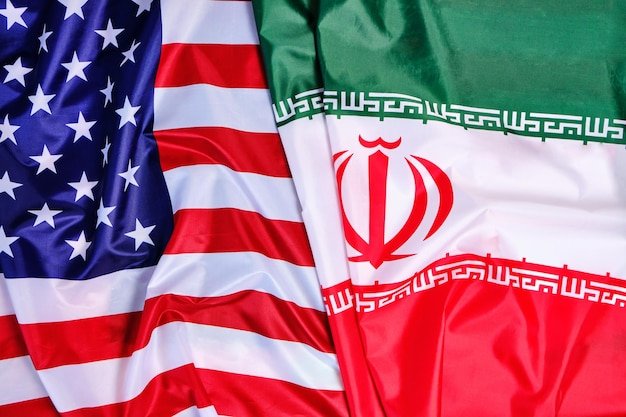
The prediction market on a US-Iran nuclear deal before 2027 is pricing the probability of an agreement at 53.5%, indicating roughly even odds with a marginal lean toward a deal materializing within the next two years. With $861,792 in volume and stable pricing over the past 24 hours, the market shows consistent positioning rather than reactive trading, suggesting traders have settled on a baseline assessment of diplomatic prospects.
Why It Matters
A nuclear agreement between the United States and Iran would represent a significant geopolitical development with implications for regional stability, energy markets, and international relations. The question encompasses any formal, publicly announced mutual agreement addressing Iranian nuclear research or weapons development—including multilateral frameworks similar to the 2015 Joint Comprehensive Plan of Action (JCPOA). Market participants are essentially betting on whether diplomatic channels, currently characterized by substantial tensions, can produce a negotiated settlement within roughly 24 months.
Key Factors
The 53.5% probability reflects offsetting considerations. On the optimistic side, diplomatic precedent exists: the JCPOA was achieved and, despite its subsequent US withdrawal in 2018, demonstrates that high-level agreements are possible. Both parties retain theoretical incentives to negotiate—Iran faces economic pressure from sanctions, while the US has strategic interests in preventing nuclear proliferation. However, significant obstacles persist. Current US-Iran relations remain adversarial across multiple domains, with mutual distrust deeply entrenched. The domestic political environment in both countries presents obstacles: Iranian hardliners oppose concessions, while US political factions are divided on nuclear diplomacy. The timeframe is also compressed; achieving a complex multilateral agreement typically requires extended negotiations, and the 24-month window is relatively short for resolving years of accumulated grievances and technical disputes.
Outlook
Market movement will likely depend on tangible shifts in diplomatic activity or political circumstances. A change in US administration, unexpected diplomatic breakthroughs, or escalation in regional tensions could meaningfully shift the probability. The current 50-50 positioning suggests traders view the outcome as genuinely uncertain, with neither a deal nor continued deadlock appearing inevitable. Traders should monitor statements from senior officials in both capitals, any resumption of backchannel communications, and developments in broader US-Iran relations as leading indicators of whether the market's marginal optimism proves justified.