Market Overview
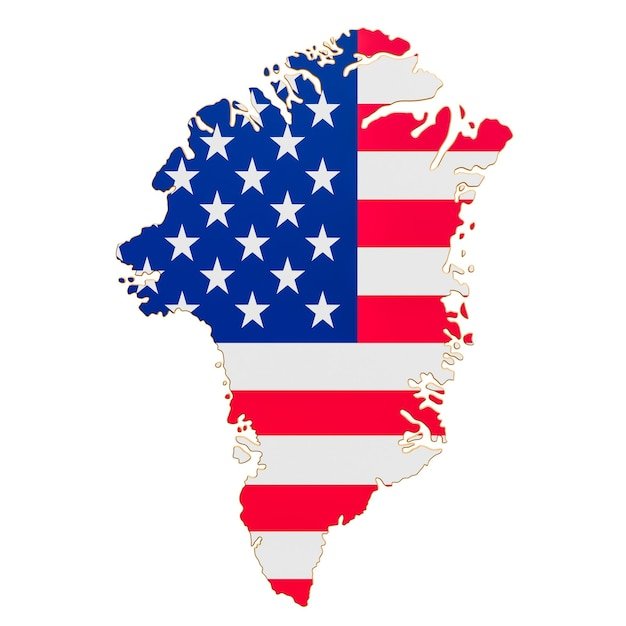
A prediction market tracking the possibility of U.S. acquisition of Greenlandic territory is currently priced at 14%, implying traders assess roughly a one-in-seven chance that binding agreements transferring sovereignty or exclusive U.S. jurisdiction over part of Greenland will be finalized by year-end 2026. The market has maintained this probability level over the past 24 hours, with substantial liquidity of approximately $9.7 million in trading volume, indicating active participation from prediction market participants betting on this geopolitical outcome.
Why It Matters
The question addresses a topic that intersects strategic geography, international law, and diplomatic relations. For resolution purposes, the market sets a high bar for qualification—mere announcements, negotiations, or non-binding frameworks do not suffice. Only binding legal instruments such as enacted legislation, signed treaties, or executive actions establishing either formal sovereignty transfer or a Guantánamo-style arrangement of exclusive U.S. jurisdiction qualify. This distinction is critical because it distinguishes serious diplomatic breakthroughs from political posturing or exploratory discussions that may occur without legal formality.
Key Factors Driving the Probability
The 14% odds reflect several competing considerations. On one hand, historical precedent works against such an acquisition—Greenland has remained under Danish sovereignty for centuries, and modern international norms make territorial transfers rare and diplomatically costly. The requirement for binding legal instruments rather than mere proposals further constrains the probability, as formal sovereignty transfers demand legislative action and sustained political commitment from multiple governments. Additionally, Denmark and Greenland's own interests in maintaining independence and sovereignty present significant institutional barriers.
Conversely, the non-trivial 14% probability suggests traders acknowledge certain factors that could support such an outcome within the two-year window. Geopolitical competition for Arctic resources and strategic position, evolving U.S. security interests in the North Atlantic, and potential shifts in Danish or Greenlandic political preferences toward alternative arrangements could theoretically create conditions for negotiated agreements. The market's pricing implicitly recognizes that while unlikely, such outcomes are not impossible under changed circumstances.
Outlook
Market participants will likely monitor developments in U.S.-Denmark relations, statements from Greenlandic leadership regarding autonomy and international partnerships, and any formal diplomatic initiatives concerning territorial or jurisdictional arrangements. The requirement that agreements be binding and implemented by end-2026 creates a compressed timeline—any qualifying transaction would need to advance from proposal to legal finalization within approximately 24 months. Absent significant geopolitical shifts or announced negotiations, the current probability floor of 14% may persist, as markets typically price tail risks at modest but meaningful levels even when base-case scenarios make them unlikely.