Market Overview
Prediction markets currently price the probability of Strait of Hormuz traffic returning to normal by May 31, 2026 at 20.5%, reflecting significant skepticism about near-term recovery in this strategically vital waterway. The market defines \"normal\" as a 7-day moving average of at least 60 daily transit calls—a baseline that encompasses container ships, tankers, bulk carriers, and general cargo vessels tracked by IMF Portwatch. With substantial trading volume exceeding $4.5 million, the market reflects serious interest from participants monitoring geopolitical risk to global energy and trade flows.
Why It Matters
The Strait of Hormuz handles roughly one-third of global maritime trade and carries approximately 20-30% of the world's traded oil. Any sustained disruption to traffic through this chokepoint between Iran and Oman carries immediate implications for energy prices, shipping costs, and broader global economic stability. The current low probability assigned by markets suggests traders expect either continued regional tensions, security incidents, or other obstacles to maintain depressed traffic levels well into 2026. The resolution criteria—requiring publication of transit data by mid-June 2026—allows for approximately 18 months of potential recovery or continued constraint from the market's creation date.
Key Factors
Several structural factors appear to be driving the pessimistic assessment. Regional geopolitical tensions, including Houthi maritime attacks on shipping, Iranian activities, and broader Middle East instability, have created security concerns that may persist or intensify. Shipping companies may continue rerouting vessels around Africa via the Cape of Good Hope despite higher fuel and time costs, a diversion pattern that takes time to reverse once established. Additionally, elevated insurance premiums and security requirements for Hormuz transits create economic headwinds for carriers returning to the route. The 60-call threshold, while representing recovery, may still fall short of pre-disruption peak traffic levels, making the bar achievable but requiring meaningful normalization rather than complete resolution of underlying risks.
Outlook
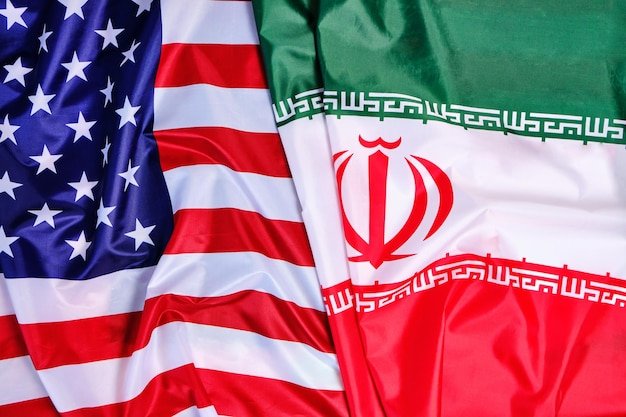
For the market probability to shift significantly higher, participants would need to see sustained de-escalation in regional conflicts, demonstrable improvement in transit security, and economic incentives strong enough to overcome rerouting inertia. Conversely, further incidents or escalation could drive probabilities even lower. The current 20.5% assessment reflects a baseline expectation that disruption to Hormuz transit will remain material through at least mid-2026, with only a modest chance that shipping patterns normalize to routine levels within that timeframe. Key inflection points will likely include shifts in Iran-U.S. relations, changes in Houthi capabilities or intentions, and the cumulative economic pressure on shipping companies to return to traditional routes.