Market Overview
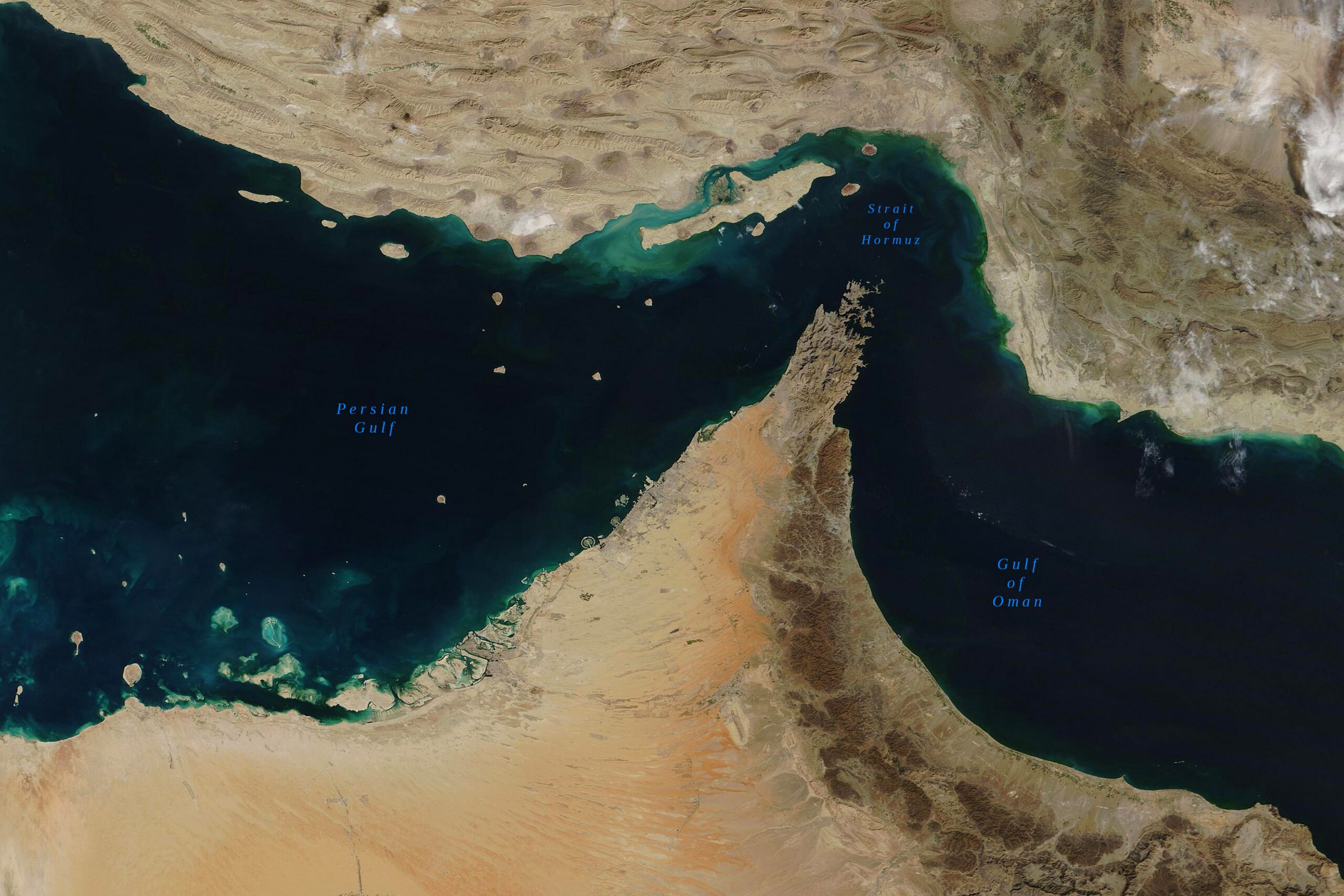
The Strait of Hormuz, through which roughly one-fifth of global oil passes, is the subject of an active prediction market assessing whether maritime traffic will recover to baseline levels within the next 18 months. The market currently prices the probability of a 7-day moving average of at least 60 daily transit calls by May 31, 2026, at 20.5%, indicating market participants view a full normalization as unlikely. The resolution criteria require IMF Portwatch data to show sustained traffic at or above this threshold, with significant volume—$4.6 million wagered—suggesting serious engagement from traders and analysts monitoring regional stability.
Why It Matters
The Strait of Hormuz serves as a critical artery for global energy markets and containerized trade. Disruptions to traffic through the waterway have immediate implications for oil prices, shipping costs, and supply chain resilience. The market's low probability reflects persistent concerns about regional geopolitical tensions, including intermittent Houthi attacks on commercial vessels, tensions between Iran and other regional powers, and the broader uncertainty surrounding Middle Eastern stability. A sustained return to normal traffic levels would signal a meaningful de-escalation in regional hostilities and restoration of confidence among international shippers and insurers.
Key Factors
Several variables drive the low odds. First, the baseline threshold of 60 daily transit calls appears elevated relative to recently disrupted periods, suggesting the market expects above-average closures or capacity constraints to persist. Second, geopolitical risks remain acute: Houthi attacks on shipping have continued intermittently, and broader tensions involving Iran, Saudi Arabia, and external powers show no clear resolution. Third, insurance premiums and rerouting costs may remain elevated even if direct attacks decline, as shipping companies demand risk premiums for transiting contested waters. Finally, the 18-month timeframe is relatively short for resolving deep-rooted regional disputes or restoring the security environment required for predictable maritime traffic.
Outlook
For the probability to shift materially higher, markets would likely require sustained evidence of reduced military incidents, clear diplomatic progress toward regional de-escalation, or insurance/shipping industry announcements normalizing rates through the strait. Conversely, any escalation in attacks or regional conflict would reinforce the bearish positioning already reflected in the 20.5% odds. The substantial volume suggests this market will remain closely watched by traders with exposure to energy, shipping, and geopolitical risk. Any significant developments in Yemen's internal conflicts, Iran-Gulf state relations, or international naval presence in the region could trigger repricing, though current market sentiment reflects entrenched skepticism about near-term normalization.