Market Overview
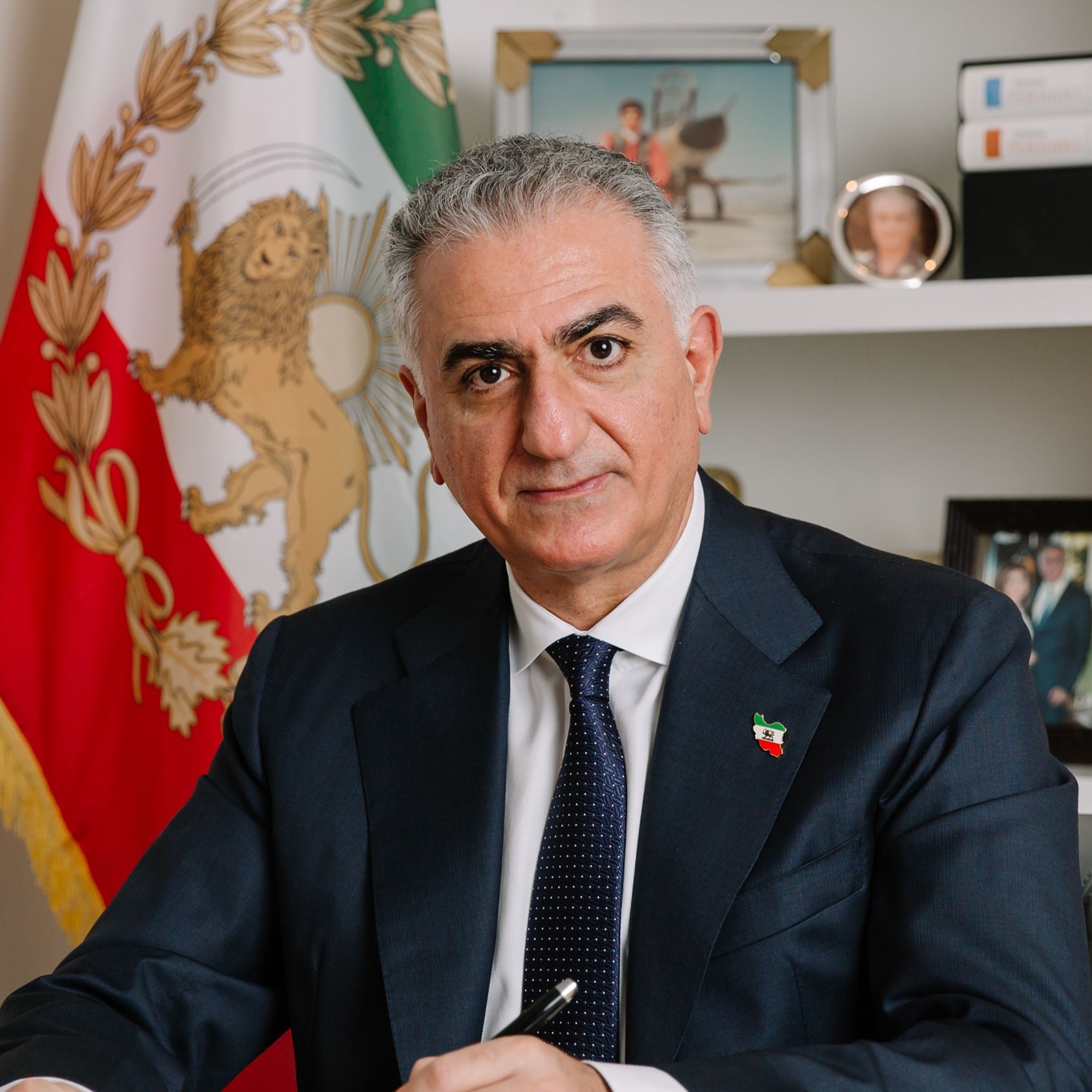
Prediction markets are pricing the likelihood of Reza Pahlavi, the son of Iran's last shah and a prominent opposition figure, returning to Iranian territory within the next 18 months at 5.5%. With over $3.5 million in volume, this represents meaningful liquidity for a geopolitical event market. The probability has held steady at this level, indicating market consensus on the fundamental constraints that would need to shift for such a visit to occur.
Why It Matters
A return by Pahlavi would carry profound symbolic and political significance. As the most prominent face of Iran's monarchist opposition in exile, his entry into Iran would signal either a dramatic transformation in the Islamic Republic's political stance or an unprecedented security breach. The event would likely trigger major regional reverberations, particularly among opposition movements and neighboring governments. For markets, resolving the question requires not just tracking Pahlavi's intentions but assessing the geopolitical conditions that would make such a visit feasible.
Key Factors Driving Low Probability
Several structural factors explain the market's assessment. First, the Iranian government has shown no indication of tolerating Pahlavi's return; opposition figures and exiles remain targets of regime pressure. Second, Pahlavi himself has not signaled imminent plans to enter Iran, instead maintaining his advocacy from abroad. Third, the Islamic Republic maintains tight border controls and internal security apparatus that would detect and likely prevent such a visit. Fourth, the timeframe is relatively compressed—18 months is a short window for the geopolitical conditions to shift sufficiently to enable a return. Historical precedent also matters: exiled opposition figures rarely successfully return under active authoritarian regimes without either a regime collapse or significant power-sharing agreement.
Outlook and Catalysts
For the probability to materially shift upward, markets would likely need to price in scenarios such as: unexpected regime instability in Iran, a negotiated settlement involving exiled figures, or a significant change in Pahlavi's strategic calculus. Developments in Iran's internal politics, sanctions environment, or regional tensions could theoretically create openings, but current dynamics suggest minimal movement on this front. The market's stability at 5.5% reflects an assessment that while black-swan scenarios remain possible, the baseline case assumes continued constraints on opposition movements and exile figures. Traders should monitor Iranian domestic political developments and any shifts in Pahlavi's stated positions as potential signals of changing probabilities.