Market Overview
The Natural Disaster in 2026 prediction market is currently valued at 27% implied probability, indicating traders assess roughly a one-in-four chance that at least one extreme natural event will occur during 2026. The market has remained stable at this level over the past 24 hours, with $215,647 in trading volume suggesting moderate but steady participant interest. The market's scope is deliberately narrow, focusing only on the most severe disaster categories rather than all natural hazards—a design choice that shapes both the probability assessment and the risk profile traders are evaluating.
Why It Matters
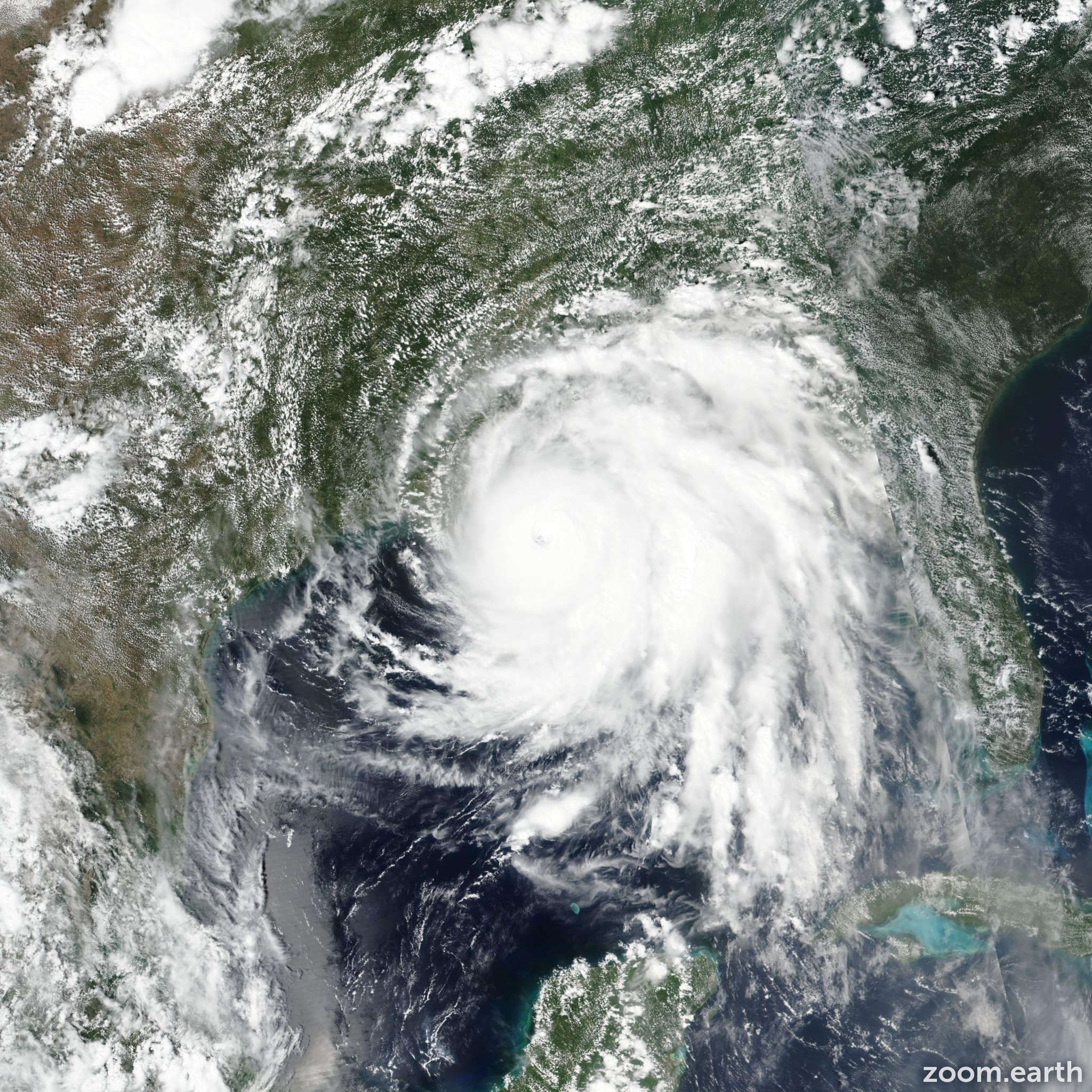
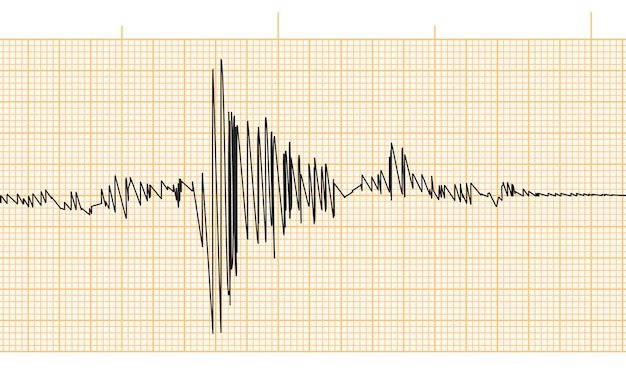
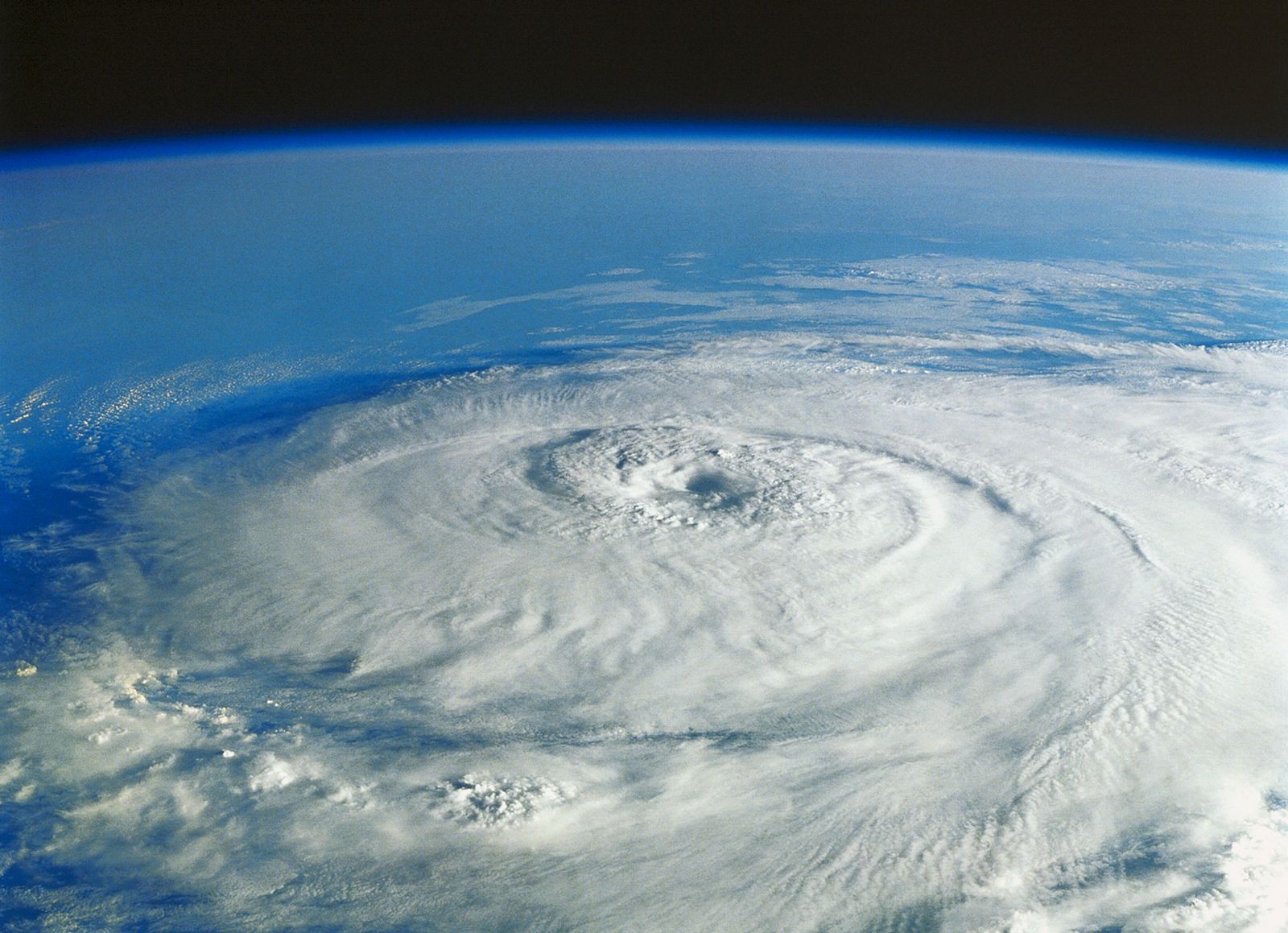
Natural disasters at the scale defined in this market represent tail risks with substantial societal and economic consequences. A Category 5 hurricane landfall in the US, for instance, could cause hundreds of billions in damage and loss of life. Similarly, a magnitude 8.5+ earthquake would rank among the most powerful seismic events in recorded history. The 27% probability reflects traders' judgment about compounded risk: the question requires only one qualifying event to resolve affirmatively, yet each individual outcome remains statistically rare in any given year. This market serves as a barometer for how financial participants quantify low-probability, high-impact natural hazards.
Key Factors Driving the Probability
Several structural factors inform the current valuation. For hurricanes, historical data shows the US has experienced multiple Category 5 landfalls in recent decades, though their frequency remains irregular. Meteor impacts of 10 kilotons or larger occur roughly once per century on average, making annual probability modest. Major volcanic eruptions (VEI ≥6) are even rarer, with only a handful occurring in the past century. Magnitude 8.5+ earthquakes are the rarest defined trigger, occurring on average roughly once per decade globally. The 27% probability likely reflects a weighted assessment of these individual frequencies, with hurricane risk comprising the largest component given its relative commonality. Seasonal volatility—hurricane season peaks in autumn—may also influence trader positioning as 2026 progresses.
Outlook
The market's stability suggests current pricing has achieved equilibrium among traders with varying risk assessments. Movement in either direction would likely require either changing expectations about natural disaster frequency or new information about specific 2026 hazards—for instance, climate models suggesting elevated hurricane activity, or seismic monitoring data flagging particular fault zones. The market's long-term resolution date (potentially extending to February 2027) allows for comprehensive data collection on all four disaster categories. Traders monitoring this contract will watch for seasonal patterns, scientific updates on volcanic and seismic activity, and any shifts in climate forecasts that might alter perceptions of hurricane risk in the coming year.