Market Overview
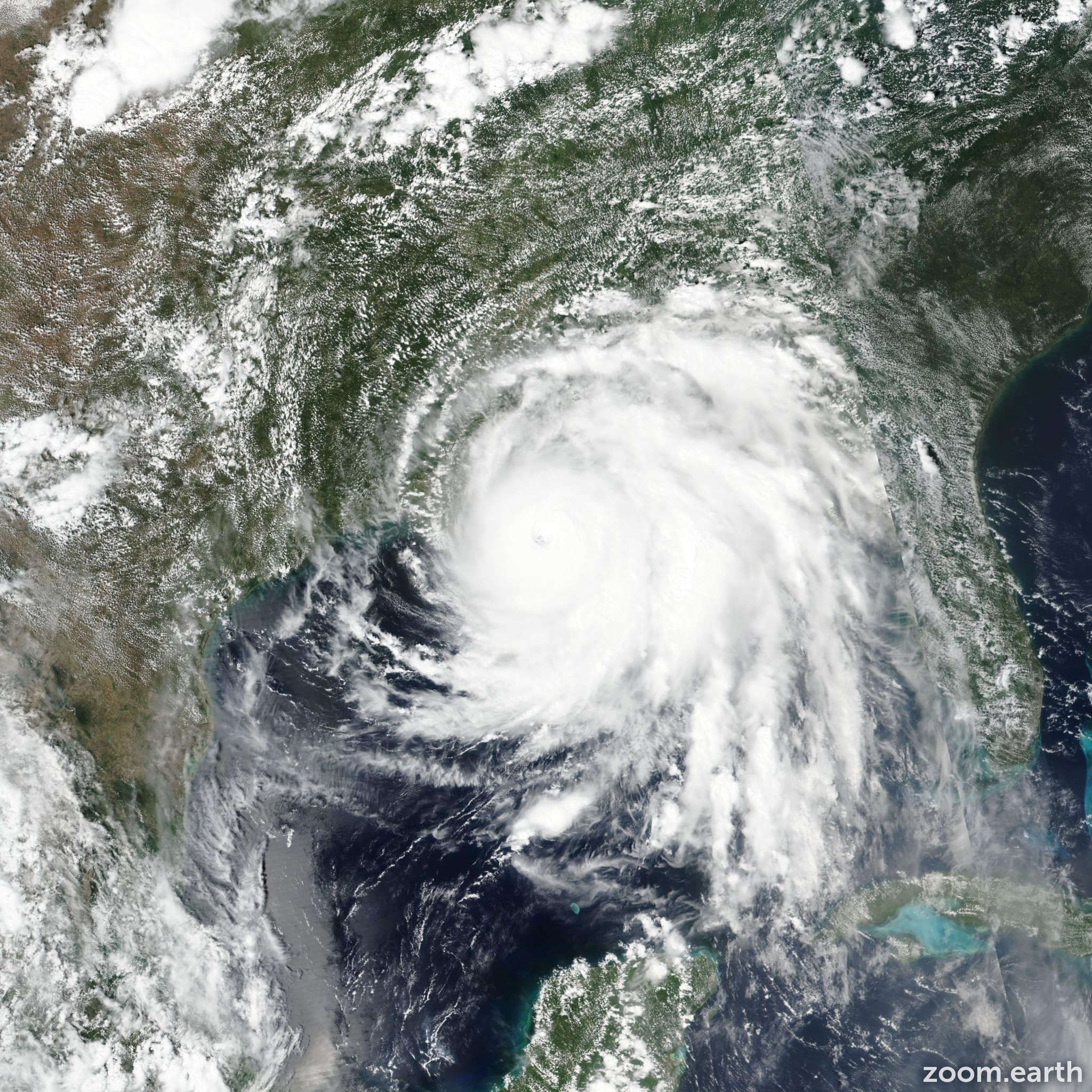
The prediction market for a Category 4 hurricane landfall in the contiguous United States through December 2026 is trading at 35% probability, with $326,300 in trading volume. The market has remained stable at this level over the past 24 hours, suggesting a consensus view among traders on the likelihood of this event. The question specifically tracks storms reaching 130-156 mph maximum sustained winds at the moment of landfall on the US mainland, based on official National Hurricane Center (NHC) classifications.
Why It Matters
Category 4 hurricanes represent a significant threshold in terms of destructive potential and public health risk. These storms are capable of causing catastrophic damage to infrastructure, devastating wind impacts, and widespread disruption. The occurrence of even a single such landfall in a three-year period would have substantial economic and human consequences. For this reason, the probability assessment embedded in this market reflects real-world stakes and draws on both historical precedent and forward-looking climate considerations.
Key Factors
Historical frequency provides the baseline context. The United States experiences landfalls from major hurricanes (Category 3 or higher) roughly once every two to three years on average, though this varies considerably by decade. Category 4 specifically landfalls are less common—the US sees them roughly once per decade, though recent decades have shown variability. The market's 35% odds essentially suggest that traders view the roughly three-year window (2024-2026) as offering somewhat higher-than-baseline odds compared to a single-year horizon, but still more likely than not that no such storm will occur.
Several factors influence the calculation. Atlantic hurricane season strength varies year to year based on oceanic conditions, sea surface temperatures, wind shear patterns, and broader climate oscillations like the Atlantic Multidecadal Oscillation. The National Oceanic and Atmospheric Administration (NOAA) provides seasonal outlooks each summer that traders monitor. Additionally, landfall probability depends not just on storm formation but on steering patterns that determine whether storms move toward populated US coasts or track elsewhere. Some coastal regions remain more exposed than others based on typical storm tracks.
Outlook
The market probability may shift based on seasonal forecasts and observed conditions heading into future Atlantic hurricane seasons. NOAA's pre-season outlooks, early-season storm activity, and any observable changes in ocean conditions that signal heightened activity could move odds either direction. The stable current price suggests traders view the balance of historical patterns and climate signals as roughly offsetting, yielding a moderate probability estimate. Resolution will depend on real-time NHC assessments of any landfalling storms meeting the specific Category 4 threshold during the defined window.