Market Overview
The prediction market on whether the World Health Organization will declare a pandemic during 2026 is currently priced at 9%, with trading volume of roughly $244,000 indicating moderate participant interest. The probability has remained flat over the past 24 hours, suggesting the market has reached equilibrium around current assessments of pandemic risk. This implies that traders view a pandemic declaration as plausible but distinctly unlikely in the specified timeframe—roughly a one-in-eleven chance according to current odds.
Why It Matters
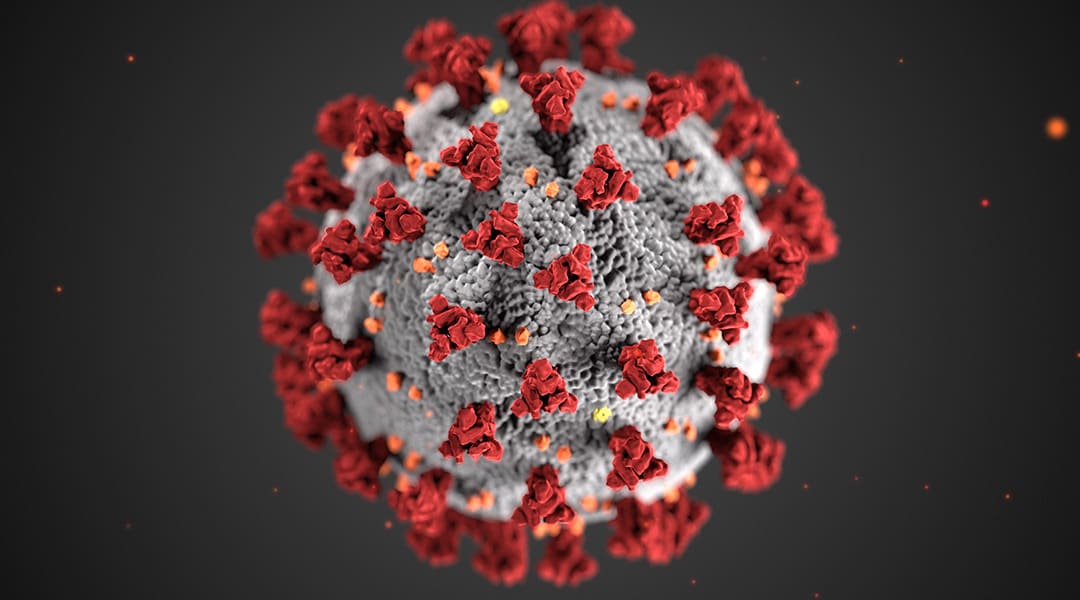
Pandemic risk carries significant implications across public health, global economics, and policy planning. A WHO pandemic declaration would trigger cascading effects including potential travel restrictions, supply chain disruptions, and major shifts in government spending and priorities. The market's assessment therefore provides a quantified baseline for how the prediction community views humanity's near-term vulnerability to novel disease emergence, relative to the approximately 60-70 years of relative pandemic-free periods that historically characterize modern history.
Key Factors
Multiple factors inform the 9% probability. The COVID-19 pandemic, which ended its official Public Health Emergency of International Concern declaration in May 2023, has likely increased market awareness of pandemic risk and made the concept less abstract. However, disease surveillance systems have substantially improved globally since 2020, and pharmaceutical capabilities for rapid vaccine development have advanced significantly. The baseline epidemiological risk of novel pathogen emergence remains constant—experts generally estimate the annual probability of a pandemic-capable pathogen jumping to humans at several percent—but the bar for WHO declaration is high, requiring not just emergence but international spread and severity that warrants the designation. The current 9% price suggests traders view 2026 as a relatively low-risk year absent specific emerging threats.