Market Overview
Prediction market traders are pricing a human moon landing in 2026 at approximately 4 in 100 odds, with the probability holding steady over the past day despite $1.9 million in total trading volume. The near-certainty of a \"No\" resolution reflects deep skepticism about near-term lunar ambitions, even as space agencies continue advancing crewed lunar programs. At current odds, traders are effectively betting that any human moon landing remains at least three to five years away.
Why It Matters
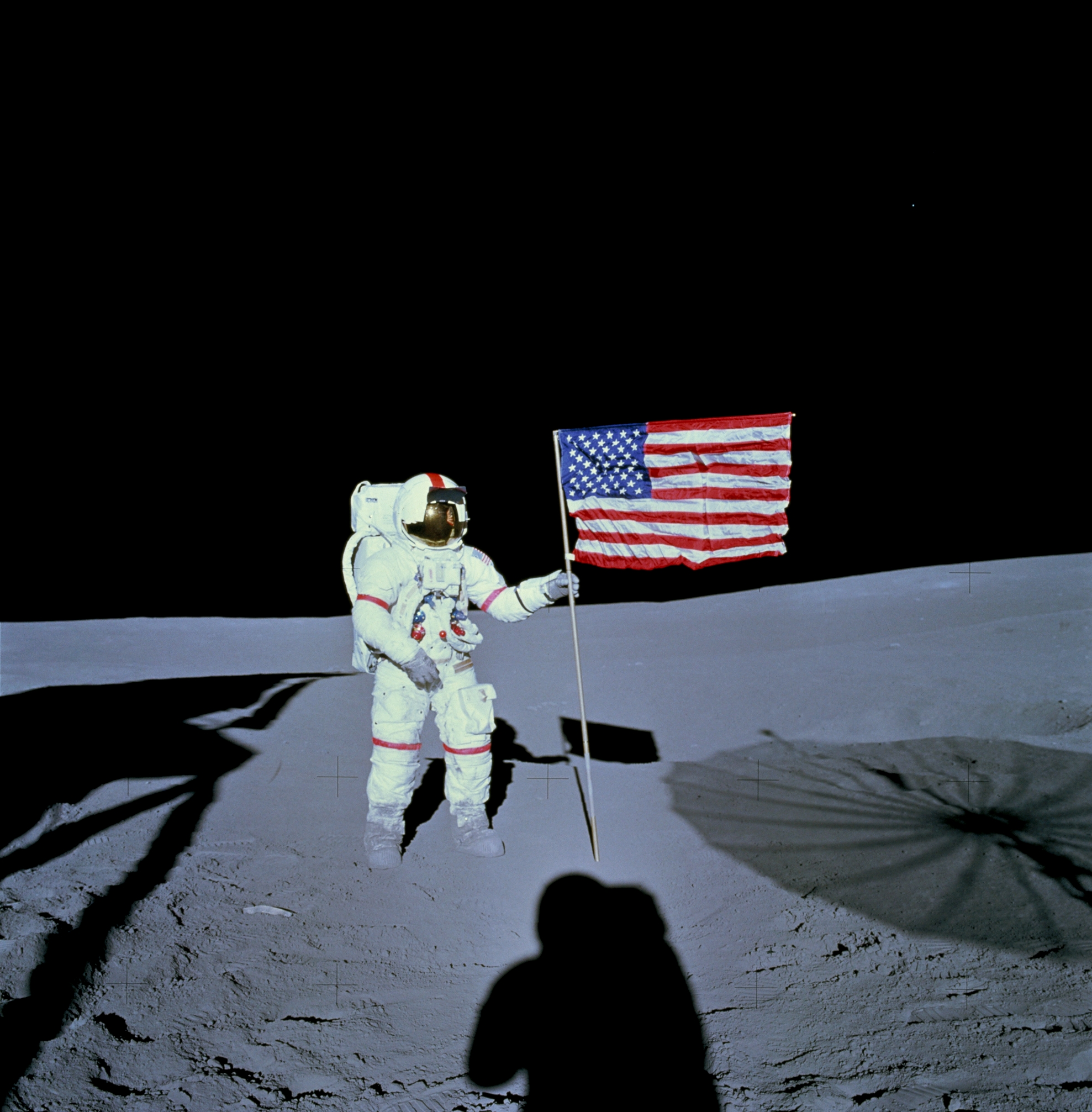
The 2026 timeline carries symbolic weight as it marks the 50th anniversary of the Apollo 17 mission, the last human moon landing in 1972. Whether humanity returns to the lunar surface by then has become a key benchmark for assessing the feasibility of ambitious space exploration targets. For investors and space enthusiasts, this market reflects broader questions about the pace of technological progress and the credibility of announced timelines for complex government programs.
Key Factors
NASA's Artemis program—the primary pathway for U.S. crewed lunar missions—has experienced multiple schedule slippages. The Artemis II crewed lunar flyby mission, originally planned for 2021, is now targeted for late 2025 at the earliest, and the Artemis III landing mission (which would return humans to the surface) has been pushed to 2026 or beyond with many analyses suggesting 2027-2028 as more realistic. Technical challenges with the Space Launch System (SLS) rocket and the Orion capsule have proven more complex than anticipated. Additionally, no other nation or private entity has demonstrated an imminent capability to land humans on the moon. China's crewed lunar program remains in earlier development phases, and commercial lunar ventures have focused primarily on cargo rather than human missions.
The low market probability also reflects the historical track record of space program timelines. Artemis itself has already slipped by several years from initial plans, and the industry has learned that crewed lunar missions involve hundreds of interconnected systems requiring extensive testing and validation.
Outlook
For the probability to move meaningfully higher, the market would likely require concrete evidence of successful crewed lunar flights occurring before year-end 2026—such as completion and successful testing of critical Artemis systems in 2024-2025, or unexpected acceleration in competing international programs. Conversely, further delays to Artemis II or III would likely push odds even lower. Market participants will closely monitor official NASA updates, SLS and Orion test milestones, and any announcements from international space agencies. Unless the trajectory of development shifts substantially, the 4% market price suggests traders view 2026 as aspirational at best.