Market Overview
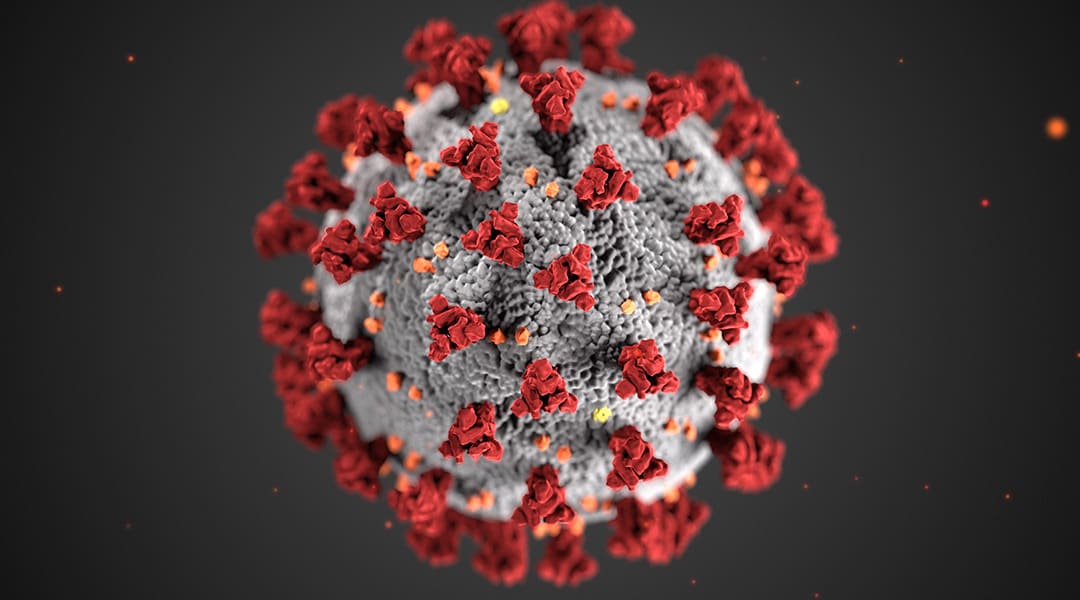
The prediction market for a new COVID variant of concern in 2026 is trading at 16.5% implied probability, suggesting traders view such an occurrence as unlikely but far from negligible. With $237,330 in total volume and flat pricing over the past day, the market reflects a stable consensus around this low-single-digit risk assessment. The question specifically targets CDC classification of variants meeting the agency's formal \"variant of concern\" criteria—a relatively high bar that excludes variants of interest or those with limited epidemiological significance.
Why It Matters
The emergence of a new variant of concern would carry substantial implications for public health policy, vaccine development priorities, and potentially social and economic restrictions. The CDC's formal variant of concern designation triggers regulatory attention, clinical surveillance intensification, and vaccine efficacy reassessment. Historical precedent shows that variants have altered pandemic trajectories; the delta and omicron variants fundamentally changed disease severity profiles and transmission patterns. For investors, businesses, and public health planners, the probability assigned to this event informs contingency planning and risk modeling for the 2026 timeframe.
Key Factors Driving the Probability
Several factors support the current low assessment. First, SARS-CoV-2 mutation rates have remained within historical parameters; while the virus continues to evolve, the emergence of variants substantially different from circulating strains has slowed relative to 2021-2023. Second, immune escape alone no longer guarantees variant of concern status—the CDC now weighs phenotypic changes against existing population immunity. Third, vaccination prevalence and prior infection rates across most populations provide a baseline of immune protection that limits the epidemiological impact required for official designation. Conversely, the market's assignment of 16.5% probability acknowledges that novel variants do emerge unpredictably, respiratory viruses retain capacity for significant antigenic shift, and 12 months represents a substantial window for evolutionary change. Factors that could elevate risk include waning immunity trajectories, low vaccination uptake, and the continuous circulation of virus across billions of hosts globally.