Market Overview
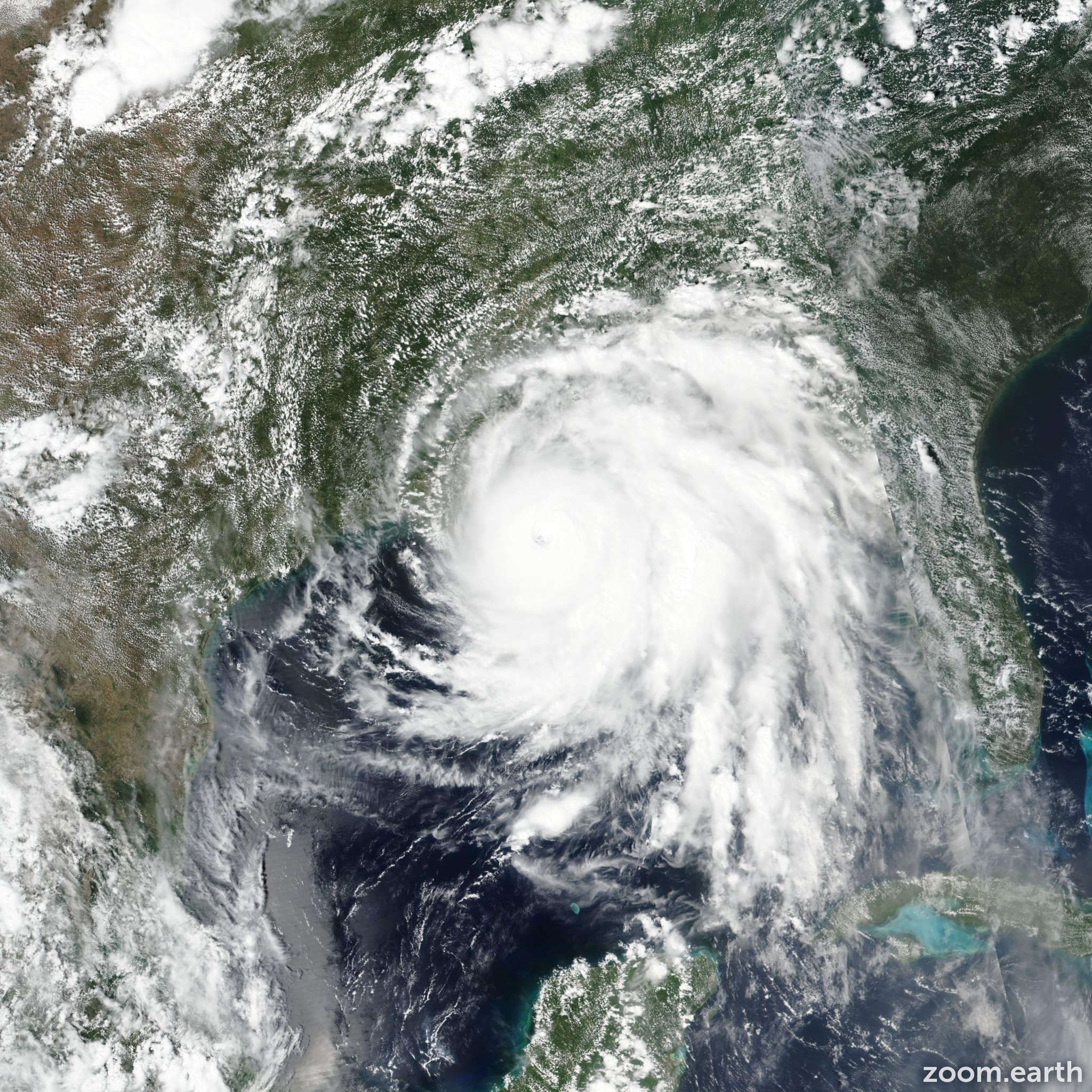
The prediction market on major natural disasters in 2026 is trading at 27%, indicating traders assess a meaningful but minority probability that the year will produce at least one catastrophic event. The market groups four distinct scenarios under a single resolution criterion: a Category 5 hurricane making US landfall, a meteor strike of 10 kilotons or greater, a volcanic eruption rated VEI 6 or higher, or an earthquake measuring 8.5 magnitude or above. Trading volume of $215,647 suggests moderate but engaged participation in what amounts to a complex tail-risk assessment.
Why It Matters
This market quantifies collective expectations about low-probability, high-impact natural disasters over a specific twelve-month window. The events covered range from phenomena that occur with varying frequencies—major hurricanes strike the US mainland roughly every few years—to genuinely rare occurrences like VEI 6 eruptions, which average perhaps one per century globally. The 27% probability reflects an aggregation of these disparate tail risks into a single binary outcome, making it a barometer of how traders weigh compound disaster risk in a given year.
Key Factors
Historical baseline rates drive much of the pricing. Category 5 hurricanes that reach US shores occur irregularly but with established precedent; the last was Hurricane Andrew in 1992. Earthquakes of 8.5+ magnitude are rarer, occurring globally roughly once per decade on average. Volcanic eruptions at VEI 6 have occurred multiple times in recorded history but remain exceptional events, with the most recent in 1815. Meteor impacts of 10kt+ are exceedingly uncommon at human timescales, though scientifically inevitable over longer periods. The market's 27% figure implicitly weights these historical frequencies while accounting for uncertainty in prediction and the interdependencies between some risk factors.
Climate and seismic activity patterns may inform trader positioning, though direct causal links to 2026 specifically remain speculative. Sea surface temperatures, atmospheric conditions, and known volcanic unrest around monitored systems could influence marginal shifts, but the market has shown stability at this level without apparent recent catalysts.
Outlook
The market structure allows resolution through February 28, 2027 if required verification from authoritative sources remains pending, providing extended observation windows for events occurring late in 2026. Shifts in pricing would likely follow either new baseline data on active hazards—such as unusual seismic swarms near known fault lines or abnormal volcanic indicators—or updates to historical frequency assessments. Without significant new information about 2026-specific risks, the market may remain range-bound, as the 27% probability largely reflects long-term statistical expectations applied to a single-year window.