Market Overview
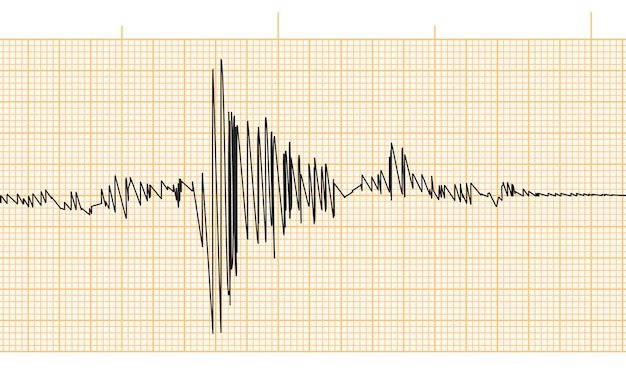
The market for 11-13 magnitude 7.0+ earthquakes globally in 2026 is trading at 24% probability, with modest trading volume of $410,030. The probability has remained stable over the past day, suggesting the market has achieved a near-equilibrium valuation based on available seismic data and historical patterns. This narrow outcome band represents one of several possible ranges for global seismic activity, with traders clearly positioning for either fewer or more events than this specific window.
Why It Matters
Earthquakes of magnitude 7.0 and above represent major seismic events capable of causing significant damage and loss of life. Understanding the statistical likelihood of their occurrence in a given year helps inform disaster preparedness, insurance pricing, and infrastructure resilience planning. The USGS maintains rigorous standards for earthquake classification, making this market's reliance on official geological data a reliable basis for resolution. The specific 11-13 range captures approximately one year's worth of typical major seismic activity, making it a reasonable baseline for discussion of global earthquake frequency.
Key Factors
Historical seismic records show substantial year-to-year variability in the number of magnitude 7.0+ earthquakes. Long-term averages typically fall in the range of 15-20 such events annually globally, though individual years have recorded as few as 6 and as many as 28. The relatively low 24% probability suggests market participants believe 2026 is more likely to fall outside the 11-13 band—either due to a more active or quieter seismic year than the specified range implies. Major earthquake sequences, particularly along the Pacific Ring of Fire and other tectonically active zones, can cluster in unpredictable patterns that make precise forecasting inherently uncertain. The market's modest confidence level reflects the inherent difficulty in predicting seismic activity with narrow precision.
Outlook
The market will be actively resolved only after December 31, 2026, allowing seven additional days for late-reported earthquake data to appear on the USGS database before potential resolution on January 7, 2027. Notable shifts in probability would likely stem from updated seismic catalogs or significant earthquake swarms early in 2026, though such events cannot meaningfully be forecast in advance. The 24% probability signals that traders view this specific range as below-base-case, implying expectation of either elevated or reduced seismic activity relative to the 11-13 threshold. Traders monitoring this market should track early 2026 seismic activity for potential repricing, though the scientific consensus remains that earthquake prediction at this granular level remains beyond current capabilities.