Market Overview
Prediction markets are currently assigning a 9% chance that the World Health Organization will declare a pandemic at some point during 2026. This modest probability, unchanged over the past 24 hours, indicates that traders view another major disease outbreak as possible but unlikely within the calendar year. The market has generated $244,034 in trading volume, suggesting sustained but not intense participant interest in the question.
Why It Matters
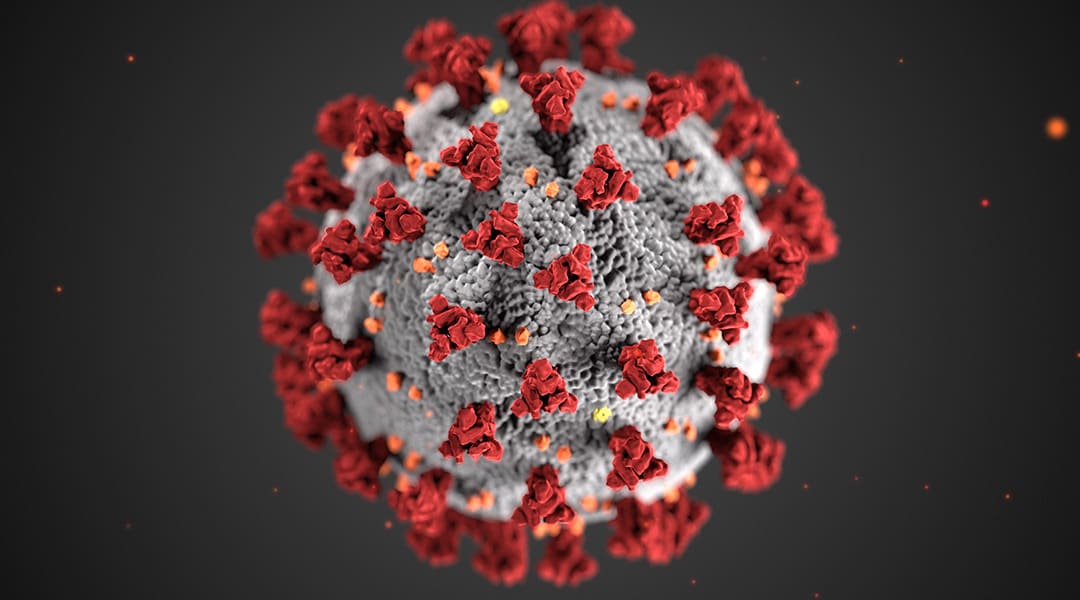
Pandemic preparedness remains a central concern for public health authorities, economists, and policymakers worldwide. The COVID-19 pandemic inflicted trillions of dollars in economic losses and disrupted global systems for years. Understanding how markets assess pandemic risk provides insight into collective expectations about disease emergence and preparedness. A 9% annual probability translates to roughly a 1-in-11 chance, a threshold that reflects real but not dramatic concern about outbreak scenarios.
Key Factors Driving Probability
Several dynamics appear to be shaping the current 9% assessment. The absence of active pandemic declarations or imminent WHO-level health emergencies has likely contributed to the baseline estimate. However, markets recognize that novel pathogens can emerge unpredictably—including zoonotic diseases, engineered variants, or seasonal respiratory viruses with pandemic potential. The track record of disease spillover events, antimicrobial resistance, and surveillance gaps in some regions provides a foundation for non-zero tail risk. Additionally, the relatively short time horizon (one calendar year) versus longer-term pandemic risk models may compress the probability further, as markets must assign an event to a specific 12-month window rather than assessing lifetime risk.
Outlook
Movement in this market would likely stem from several potential developments. Detection of a novel pathogen with rapid transmission rates, high fatality, or both could sharply increase the probability. Conversely, strengthened global surveillance systems, vaccine advances for emerging pathogens, or passage of 2026 without significant disease events could gradually compress odds lower. Intermediate catalysts—such as WHO statements upgrading disease threat levels, significant disease outbreaks in major populations, or scientific findings about variant virulence—would also influence trader positioning. For now, the 9% estimate appears stable, reflecting equilibrium between structural pandemic risk and recent global health stability.