Market Overview
Prediction markets are currently pricing a human-crewed moon landing in 2026 at just 4.3%, with trading volume reaching $1.91 million and odds remaining stable over the past 24 hours. The low probability reflects the considerable gap between current spaceflight timelines and the ambitious goal of returning humans to the lunar surface within roughly two years. This assessment aligns with official space agency schedules and the historically extended development cycles for deep-space missions.
Why It Matters
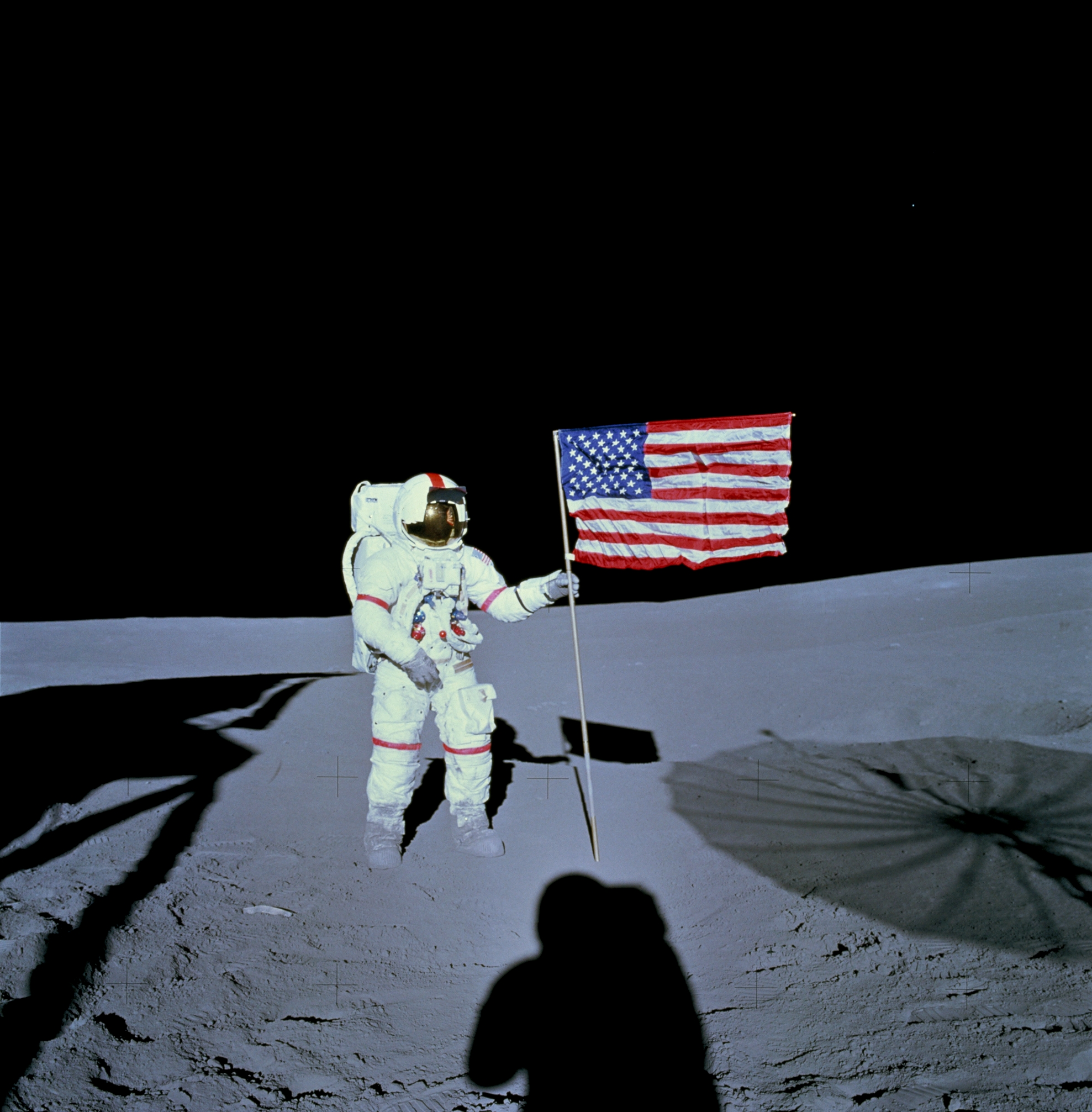
A human moon landing would represent a historic milestone—the first crewed lunar touchdown since 1972. Achieving this feat by 2026 would require not only technical success but also flawless execution across multiple complex systems: launch vehicles, life support, landing hardware, and crew training. The low odds suggest markets view 2026 as an aspirational rather than realistic target, given the substantial remaining work. Any such landing would also carry profound geopolitical significance, particularly in the context of renewed international competition in space exploration.
Key Factors Driving Low Probability
NASA's Artemis program has experienced notable delays in recent years. The agency initially targeted 2025 for Artemis II, a crewed lunar flyby, but has since pushed this mission to 2026 at the earliest. Artemis III, which would involve an actual landing, was originally planned for 2025 but is now expected no earlier than 2027. Engineering challenges—including development of the lunar Starship lander, integration of the Space Launch System, and unresolved technical issues—have contributed to these slippage. Additionally, international programs such as China's lunar missions and Russia's involvement remain unpredictable variables. The 4.3% probability essentially prices in only last-minute acceleration or the emergence of an alternative crewed landing program, both scenarios viewed as highly unlikely by market participants.
Outlook
Significant developments could shift these odds upward, though they remain improbable within the 2026 window. An unexpected breakthrough in Artemis schedule recovery, a successful Artemis II flyby demonstrating readiness, or announcement of an accelerated international mission could increase the probability. Conversely, further technical setbacks or resource constraints could push it lower. Most likely, the market will continue pricing 2026 as too compressed a timeline, with the realistic window for a crewed landing remaining fixed around 2027–2028 or beyond.