Market Overview
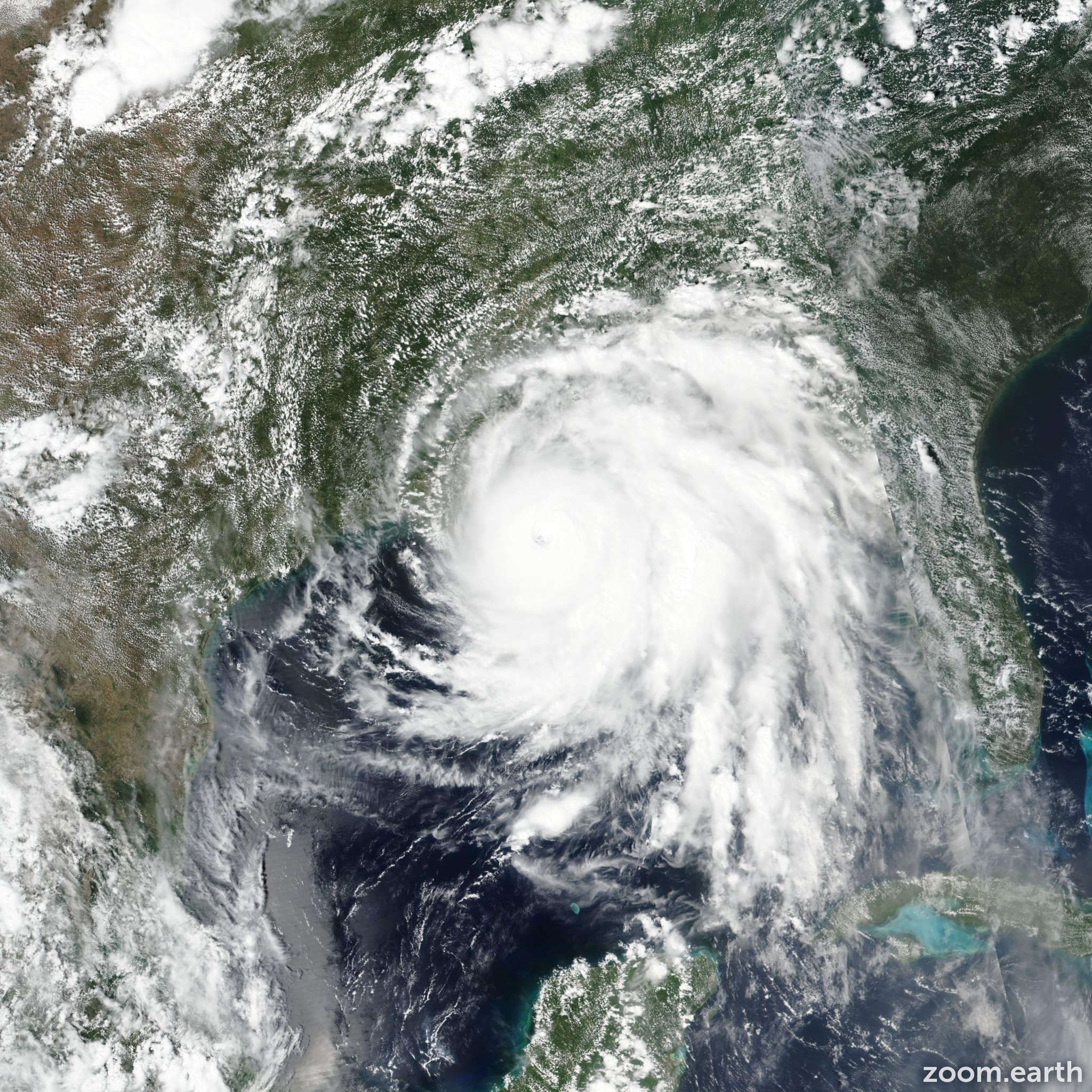
The prediction market for a Category 4 hurricane landfall in the continental US through December 2026 is trading at 35% probability, with $326,300 in cumulative volume. The market has remained stable at this level over the past 24 hours, suggesting consensus among traders around the current odds. The timeframe covers approximately 24 months of Atlantic hurricane seasons, encompassing the 2025 and 2026 seasons as well as the remainder of the 2024 season.
Why It Matters
Category 4 hurricanes represent a threshold of significant destructive power, with sustained winds between 130-156 mph. Landfalls of storms at this intensity level pose major risks to coastal infrastructure, populations, and the national economy. Understanding the probability of such events informs insurance pricing, disaster preparedness planning, and climate risk assessments. The market's 35% probability implies traders view such an event as more likely than not to occur by the end of 2026, representing a material but not overwhelming risk.
Key Factors
Historical frequency anchors market expectations. The National Hurricane Center's records show that Category 4 landfalls in the continental US occur irregularly but with measurable frequency—roughly one to two per decade on average, though this varies significantly. The 35% probability across roughly two years reflects this baseline rate while accounting for seasonal variations. Atlantic hurricane activity itself depends on multiple factors: sea surface temperatures, atmospheric wind shear, upper-level wind patterns, and the Atlantic Multidecadal Oscillation. Current oceanic and atmospheric conditions, as well as longer-term climate trends affecting tropical cyclone intensification, inform trader positioning.
Outlook
Market probability could shift based on several developments. Real-time seasonal hurricane forecasts issued by NOAA in May and updated through the season could alter expectations if they signal elevated activity. Sustained warming of Atlantic waters or shifts in wind patterns during the upcoming season would likely move odds upward. Conversely, cooler ocean temperatures or unfavorable atmospheric conditions could reduce the probability. The market will ultimately resolve based on official National Hurricane Center advisories, making actual storm behavior and forecaster classification the decisive factor. Traders will likely continue monitoring seasonal conditions and storm tracks as the 2025 hurricane season approaches.