Market Overview
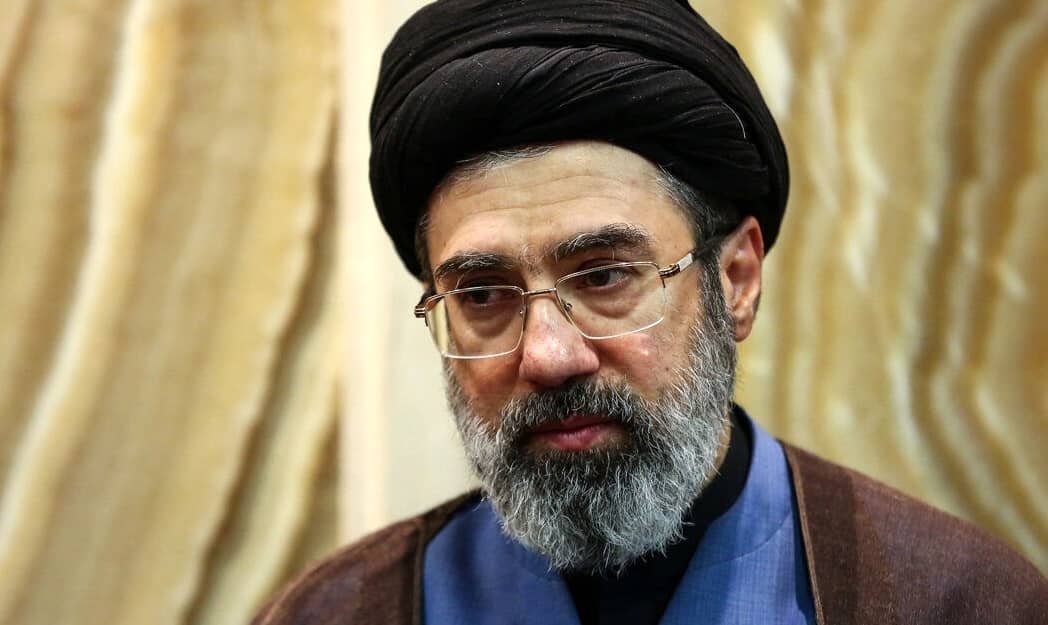
Prediction market traders are assigning a 65.1% probability that Mojtaba Khamenei will de facto control Iran's state apparatus by the end of 2026, based on $1.73 million in cumulative trading volume. The market's definition of \"de facto head of state\" centers on effective exercise of governing authority—control over the armed forces, security services, executive institutions, and core decision-making—rather than formal constitutional title. This framework is significant given Iran's dual-power system, where nominal titles may diverge from actual authority distribution. The probability has remained stable at 65.1% over the measured period, suggesting a market consensus without acute uncertainty-driving events.
Why It Matters
Succession within Iran's theocratic structure carries substantial geopolitical implications. Mojtaba Khamenei, the Supreme Leader's younger son, has been widely viewed as a potential successor to Supreme Leader Ayatollah Ali Khamenei, who is 85 years old. The distribution of power between the Supreme Leader's office, the presidency, and security apparatus will shape Iran's domestic governance and foreign policy orientation. Markets pricing this outcome at roughly two-to-one odds reflect trader assessments of both institutional precedent—wherein the Khamenei family has maintained core authority—and uncertainty about the specific mechanics and timing of any power transition. The question implicitly encompasses scenarios ranging from formal succession to gradual authority shift before a formal change.
Key Factors
Several structural elements drive the market probability. First, Mojtaba Khamenei's family position and cultivation within security and Revolutionary Guard circles have positioned him as an apparent heir apparent, making traders view his exercise of effective authority within a 14-month window as plausible. Second, the current Supreme Leader's advanced age creates genuine succession pressure, though the exact timeline remains opaque. Third, the market's definition of \"de facto\" authority—rather than requiring formal constitutional succession—widens the resolution space; a scenario in which Mojtaba consolidates control over security ministries and the armed forces before a formal title change could satisfy resolution criteria. Conversely, the 35% \"No\" probability reflects uncertainty about whether the succession occurs by end-2026, alternative power-sharing arrangements, or potential institutional fragmentation. Regional tensions, domestic opposition within clerical and military structures, and external pressure from sanctions all represent wild cards that could alter the trajectory.
Outlook
The stable 65% probability suggests traders view a Mojtaba Khamenei power consolidation as more likely than not within the specified timeframe, but far from certain. Any significant developments regarding the Supreme Leader's health, explicit succession announcements from Tehran, or major shifts in the Revolutionary Guard command structure could trigger market repricing. Conversely, evidence of resistance from rival power centers or institutional mechanisms designed to prevent concentrated family succession could shift odds downward. The market will likely remain sensitive to Iranian political signaling over the coming months, particularly around security appointments and clerical succession indicators. Traders should monitor statements from Iranian state media, changes in Revolutionary Guard personnel, and analysis from regional experts tracking succession indicators.