Market Overview
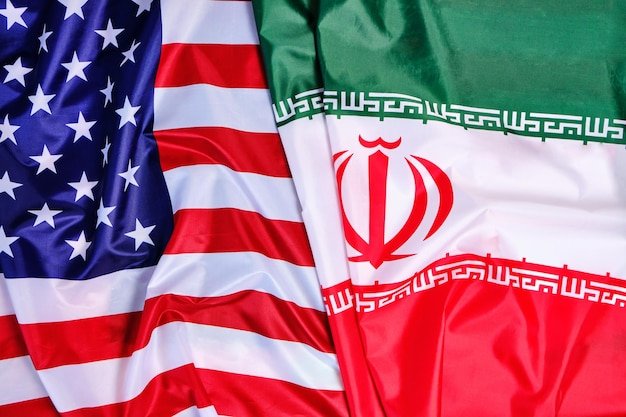
The question of whether the United States and Iran will reach an official nuclear agreement by mid-2026 is trading at 31.5% probability on prediction markets, with substantial trading volume of $1.47 million indicating meaningful interest among participants. The stable pricing over the past 24 hours suggests the market has settled on a baseline assessment rather than reacting to breaking news. This probability implies roughly even odds against an agreement, positioning nuclear diplomacy as a distinctly uncertain outcome despite its obvious geopolitical importance.
Why It Matters
A U.S.-Iran nuclear agreement would represent a major shift in one of the world's most consequential diplomatic relationships. The resolution criteria are deliberately inclusive—any publicly announced mutual agreement on Iranian nuclear research or weapons development qualifies, whether bilateral or multilateral. This breadth reflects the reality that nuclear negotiations often involve multiple parties, as demonstrated by the Joint Comprehensive Plan of Action (JCPOA) signed in 2015. The timeframe of 18 months from now is a finite window that encourages clear predictive judgment rather than indefinite speculation.
Key Factors
Several structural factors constrain the probability below 50%. The U.S. withdrew from the JCPOA in 2018, and subsequent administrations have pursued markedly different Iran policies, making any new agreement dependent on shifts in both political will and geopolitical conditions. Iran has accelerated its nuclear program since the U.S. withdrawal, narrowing the gap to weapons-grade material and potentially raising negotiating complexity. Trust between parties remains fractured, and the broader regional security environment—involving Israel, Gulf states, and proxy conflicts—complicates bilateral talks. Domestically, both nations face political constraints: the U.S. Congress must consider any major agreement, while Iranian hardliners historically resist perceived concessions to Western powers.
Conversely, factors supporting the 31.5% probability include the demonstrated feasibility of negotiating such agreements (the JCPOA itself), potential mutual interest in reducing tensions and sanctions pressure, and the possibility that economic incentives or changing regional circumstances could create negotiating momentum. The 18-month window is sufficient for intensive diplomacy if political conditions align.
Outlook
Market participants appear to view a new nuclear agreement as plausible but far from probable—a minority outcome in a highly uncertain landscape. Developments that could shift this probability upward include shifts in U.S. or Iranian leadership, major changes in regional conflicts, economic pressures on Iran intensifying incentives for sanctions relief, or explicit diplomatic initiatives by either government. Conversely, further Iranian nuclear advances, escalating regional confrontations, or domestic political hardening in either country would likely compress odds further. The stable pricing suggests the market is currently equilibrated on available information rather than in flux.