MARKET OVERVIEW
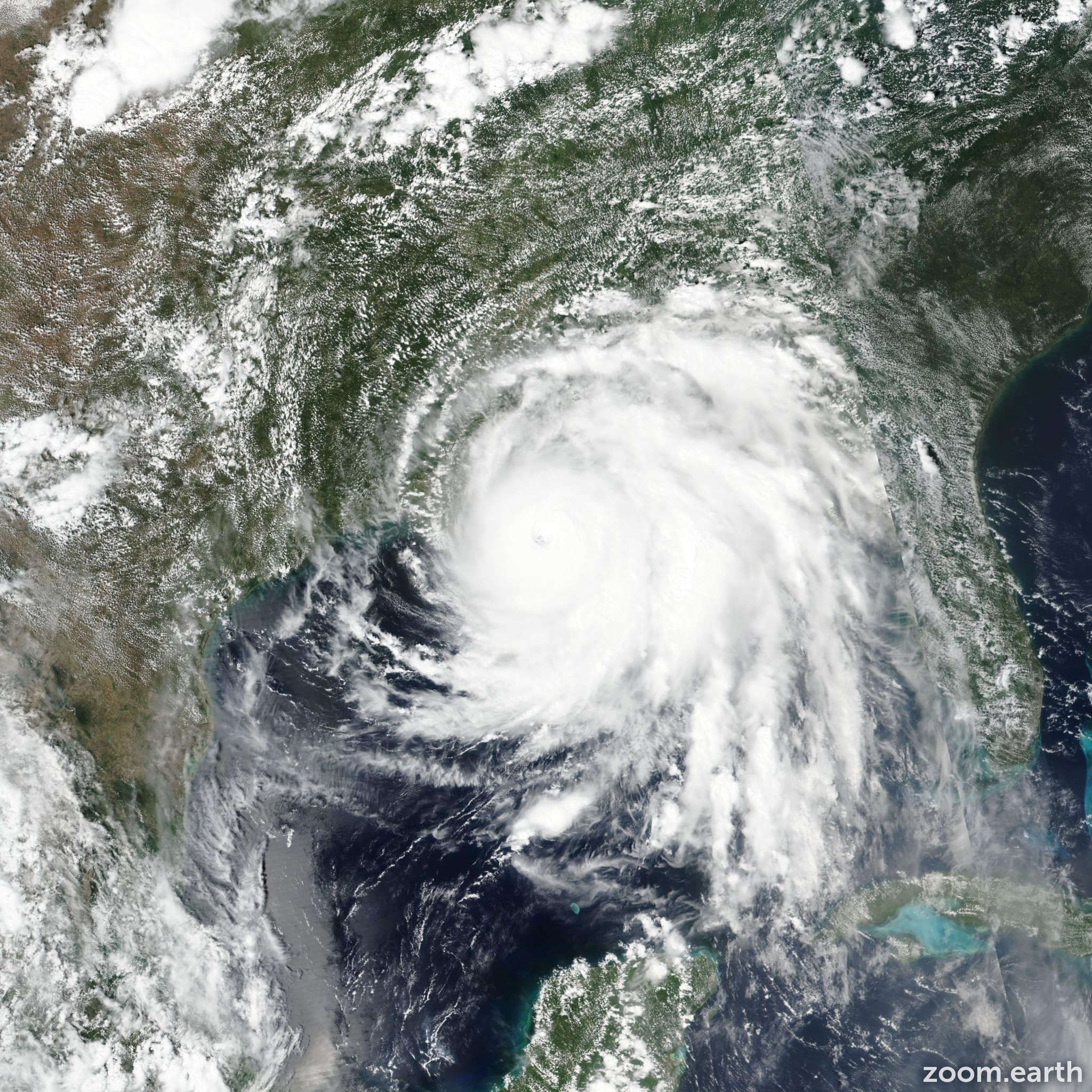
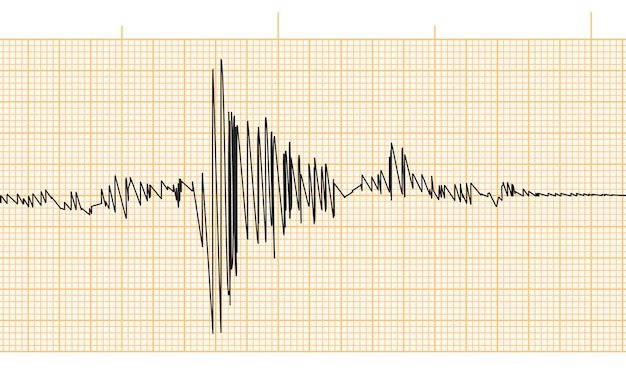
Prediction market participants are assigning a 27% probability to the occurrence of a major natural disaster during 2026, according to trading activity that has generated over $215,000 in volume. The market defines 'major' through specific thresholds: a Category 5 hurricane making US landfall, a meteor impact of 10 kilotons or larger, a volcanic eruption rated 6 or higher on the Volcanic Explosivity Index (VEI), or an earthquake measuring 8.5 or above in magnitude. Any single event meeting these criteria would trigger a \"Yes\" resolution.
WHY IT MATTERS
Natural disaster prediction markets serve as a probabilistic gauge of scientific and statistical expectations. A 27% annual probability for extreme events of this magnitude reflects the underlying base rates for such phenomena while incorporating market participants' assessments of cyclical patterns, climate trends, and geological activity. The stable probability over the past 24 hours suggests the market has reached an equilibrium valuation with no new information substantially shifting sentiment.
KEY FACTORS DRIVING THE PROBABILITY
Historical frequency data anchors much of the pricing. Category 5 hurricanes make US landfall roughly once every 3-5 years on average, though recent decades have seen variation in this pattern. Large earthquakes (8.5+) occur globally several times per decade, though the probability of a specific magnitude threshold in a given year remains relatively low. Volcanic eruptions at VEI 6 or higher are rare, typically occurring once per century on average. Meteorite impacts of 10+ kilotons are extraordinarily rare on any given year. The aggregation of these independent probabilities—combined with potential climate-driven intensification of hurricane behavior—results in a moderate overall probability rather than a negligible one.
OUTLOOK
The market's valuation suggests participants view 2026 as neither exceptionally high-risk nor low-risk for extreme natural events. Development of the market will likely hinge on observable trends: unusually active Atlantic hurricane seasons in 2024 or 2025 could shift odds upward, while patterns of volcanic or seismic quiescence could push expectations lower. Scientific updates on oceanic conditions, solar activity, or seismic stress patterns may influence trading as 2026 approaches. The extended resolution deadline until February 2027 allows time for definitive data collection on qualifying events.