Market Overview
Prediction markets are pricing the probability of a WHO pandemic declaration in 2026 at 9 percent, with trading volume of approximately $244,000 indicating moderate but sustained interest in the outcome. The probability has remained stable over the past 24 hours, suggesting market participants have reached a relatively settled consensus on this risk. This stands in sharp contrast to the elevated pandemic probabilities seen during 2020-2022, when such declarations dominated global health discourse.
Why It Matters
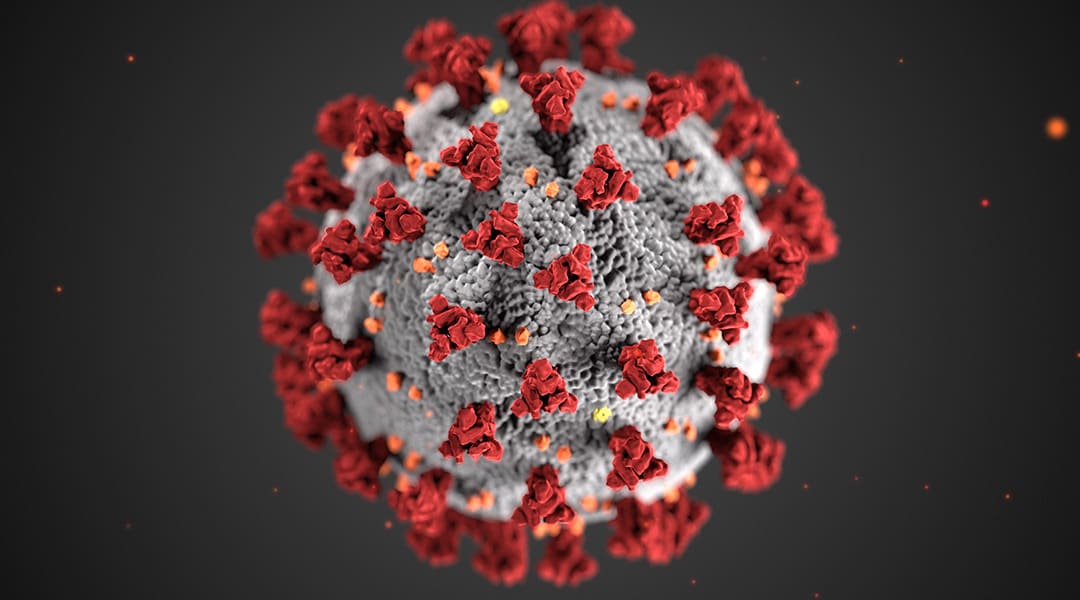
The emergence of new pandemics represents one of the most consequential global risks, with immediate implications for public health, economic activity, and geopolitical stability. A WHO pandemic declaration carries significant weight, triggering coordinated international responses, emergency protocols, and often substantial economic disruption. The market's assessment of this risk therefore offers insight into how investors, analysts, and traders currently evaluate global disease threats and the resilience of existing public health infrastructure.
Key Factors Driving the Low Probability
Several structural factors appear to underpin the market's cautious baseline. Real-time disease surveillance has improved substantially since COVID-19, with enhanced monitoring systems, faster sequencing capabilities, and better international coordination mechanisms in place. Additionally, global vaccination infrastructure and therapeutic development capacity—demonstrated during the pandemic response—have created faster-response capabilities for novel threats. The market appears to be pricing in these improvements as making another major pandemic declaration within a 12-month window relatively unlikely, though not negligible.
Countervailing Risks and Uncertainties
However, the 9 percent probability incorporates acknowledgment of genuine uncertainties. Zoonotic disease emergence remains ongoing, with multiple potential spillover events occurring annually across wildlife populations. Climate change, urbanization, and global travel continue to create conditions favoring pathogen transmission. The definition of \"pandemic\" itself contains some ambiguity—while WHO declarations follow established criteria, the determination ultimately involves human judgment and political considerations. Additionally, the emergence of a novel pathogen with significant transmissibility and severity could occur with little warning, making such low-probability events difficult to predict precisely.
Outlook and Potential Catalysts
Market movement in this prediction is likely to correlate with headlines regarding novel disease outbreaks, unusual mortality events, or statements from global health organizations about emerging threats. Sustained elevation in infectious disease activity, whether from known pathogens or novel agents, would pressure probabilities higher. Conversely, continued disease containment and absence of major outbreak signals would likely maintain or further compress the pandemic risk premium. Traders should monitor WHO communications, epidemiological reports, and disease surveillance data as leading indicators of potential market repricing.