Market Overview
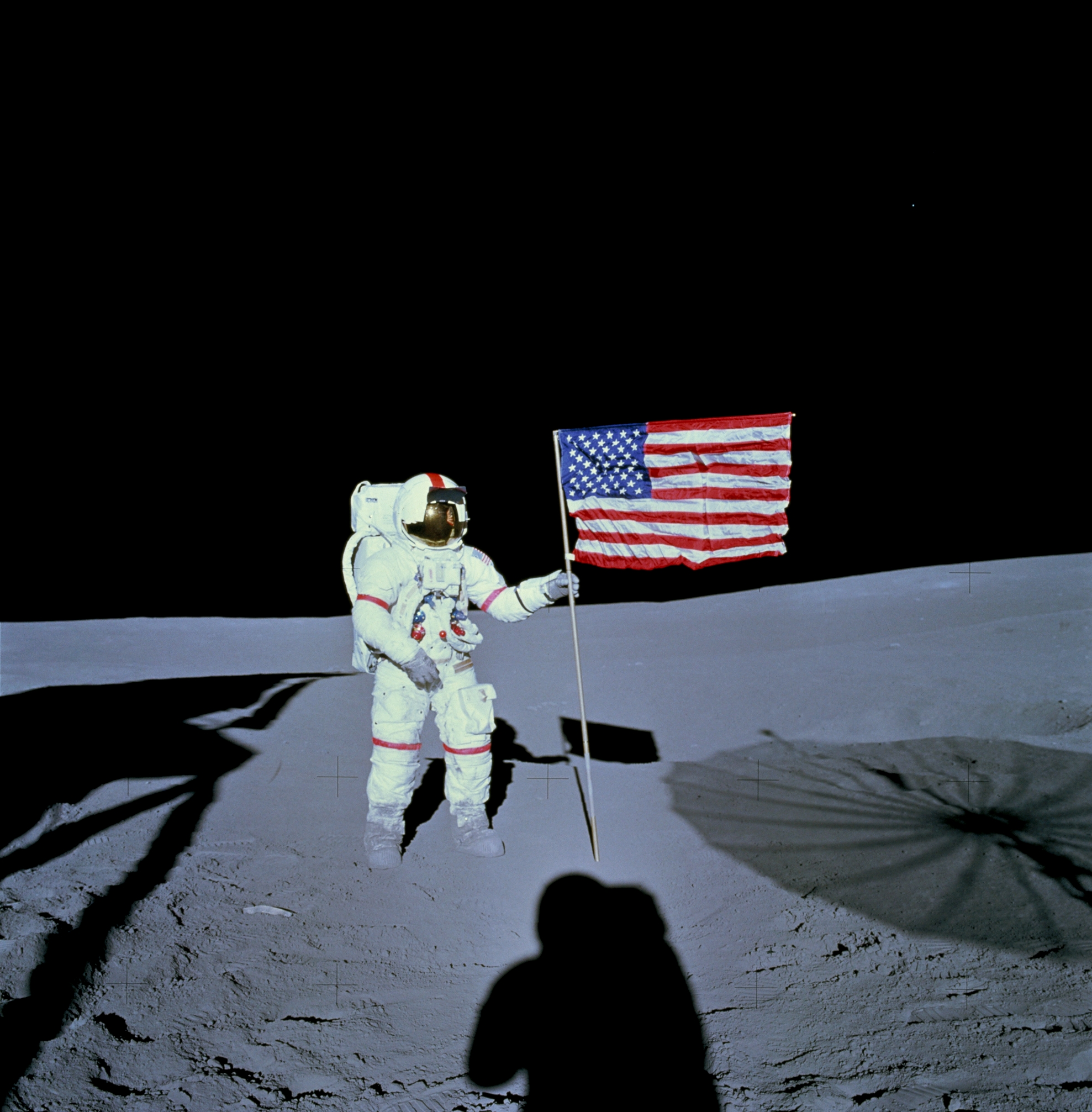
The prediction market for a crewed lunar landing by the end of 2026 is trading at 4.3% probability, indicating traders view the prospect as highly unlikely. The market has maintained this level consistently over the past 24 hours, with no significant volatility despite substantial trading volume of $1.9 million. This low probability reflects the current consensus that achieving a moon landing within the next two years faces near-insurmountable odds.
Why It Matters
A human return to the moon would represent a landmark achievement in space exploration and validate NASA's Artemis program, which aims to establish sustained lunar presence as a stepping stone to Mars missions. The 2026 timeframe in this market is notably aggressive—it precedes NASA's official target of 2025-2026 for Artemis II, the crewed lunar orbit mission, and leaves minimal margin for the subsequent Artemis III landing mission. Market pricing reflects the reality that even optimistic internal NASA assessments have faced repeated delays, making back-to-back successful missions within 18 months an extraordinary proposition.
Key Factors
The primary driver of the low probability is NASA's documented history of schedule slippage. Artemis II, originally planned for 2021, has been repeatedly delayed and is currently targeted for late 2025 at the earliest. Since Artemis III—the actual landing mission—depends on Artemis II's successful completion, compressed timelines leave virtually no buffer for technical problems, hardware issues, or safety reviews. Additionally, the Space Launch System (SLS) rocket and Orion spacecraft have experienced significant development costs and integration challenges. International and commercial alternatives, such as SpaceX's lunar plans or international partnerships, remain years away from operational readiness. Regulatory and human factors—including astronaut training and mission planning—typically add further months to any accelerated schedule.
Outlook
The 4.3% probability essentially prices in only unlikely best-case scenarios: flawless execution of Artemis II in 2025, immediate readiness of Artemis III hardware, and a landing within a narrow window before year-end 2026. Any significant delay to Artemis II or unexpected technical issues would likely push this probability even lower. Conversely, unexpected technical breakthroughs or a major policy shift prioritizing lunar speed-to-landing could gradually shift market sentiment. For now, traders are treating a 2026 landing as a tail-risk outcome rather than a realistic near-term expectation, with most industry observers pointing to 2026-2027 as the more plausible window for the first crewed lunar landing of the modern era.