Market Overview
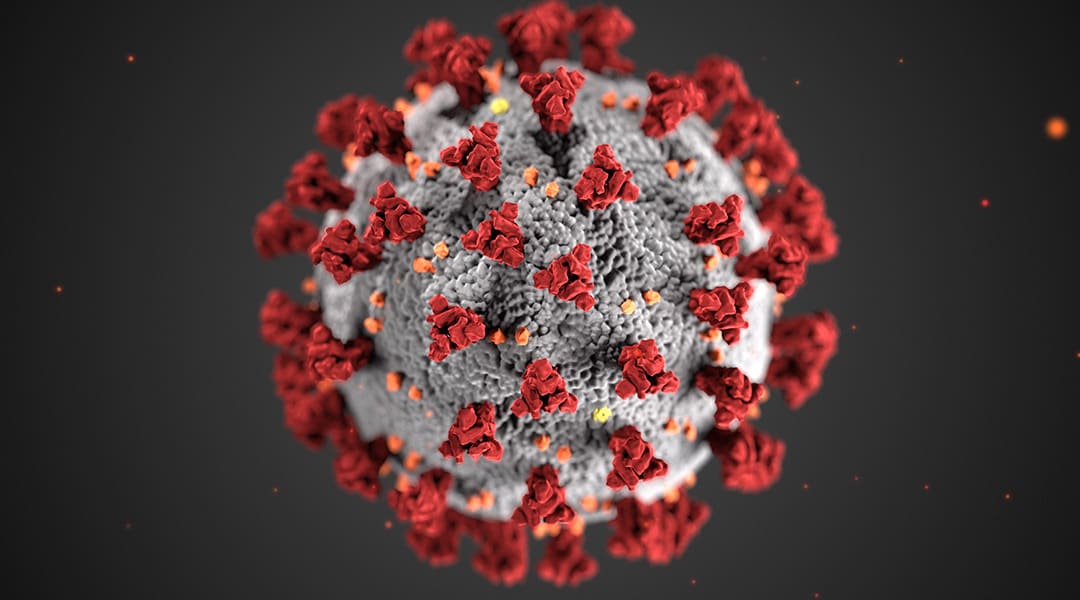
Prediction markets are currently pricing the probability of a new COVID variant of concern emerging and being officially designated by the CDC during 2026 at 16.5%. This modest odds level has remained stable over the past 24 hours, with $237,330 in trading volume, suggesting a relatively settled market consensus. The resolution criteria are precise: the CDC must formally classify a novel variant as a \"variant of concern\" between December 1, 2025, and December 31, 2026, based on official CDC designation using their established classification scheme.
Why It Matters
The emergence of new COVID variants remains a critical public health and economic concern nearly five years into the pandemic. CDC variant classifications carry significant weight in pandemic response policy, influencing vaccine development priorities, surveillance efforts, and public health guidance. A confirmed variant of concern could trigger shifts in vaccine strategies, healthcare resource allocation, and potentially renewed travel restrictions or testing requirements. Understanding market assessments of this risk provides insight into how the scientific and investment communities view the trajectory of the virus and pandemic preparedness capacity.
Key Factors
Several factors likely contribute to the market's relatively low 16.5% probability assessment. First, SARS-CoV-2's evolutionary trajectory has shown a pattern of increasingly transmissible variants with less severe disease outcomes over successive generations. The virus appears to be endemic rather than pandemic, with most populations having substantial immunity from vaccination and prior infection. Second, global surveillance infrastructure has improved significantly, reducing the lag between emergence and detection. Third, the absence of a designated variant of concern for an extended period suggests current circulating variants do not meet the CDC's threshold for concern—which requires a combination of transmissibility, severity, or immune escape demonstrated through epidemiological evidence. However, RNA viruses like SARS-CoV-2 are inherently unpredictable, and novel mutations with unexpected properties remain a theoretical possibility.
Outlook
The market probability of 16.5% effectively prices in a \"low but real\" tail risk scenario. This reflects neither complacency nor alarm, but rather a measured assessment that while variant emergence is an ongoing biological reality, the conditions that would prompt an official CDC designation of concern are sufficiently unlikely given current circumstances. Factors that could shift this probability upward include unexpected surges in hospitalizations or mortality, emergence of immune-escape variants in surveillance data, or laboratory findings of concerning properties in circulating strains. Conversely, sustained absence of variants meeting CDC criteria throughout 2026 could push probabilities lower. The stable trading volume and unchanged 24-hour probability suggest markets have settled on this assessment, absent new epidemiological information.