Market Overview
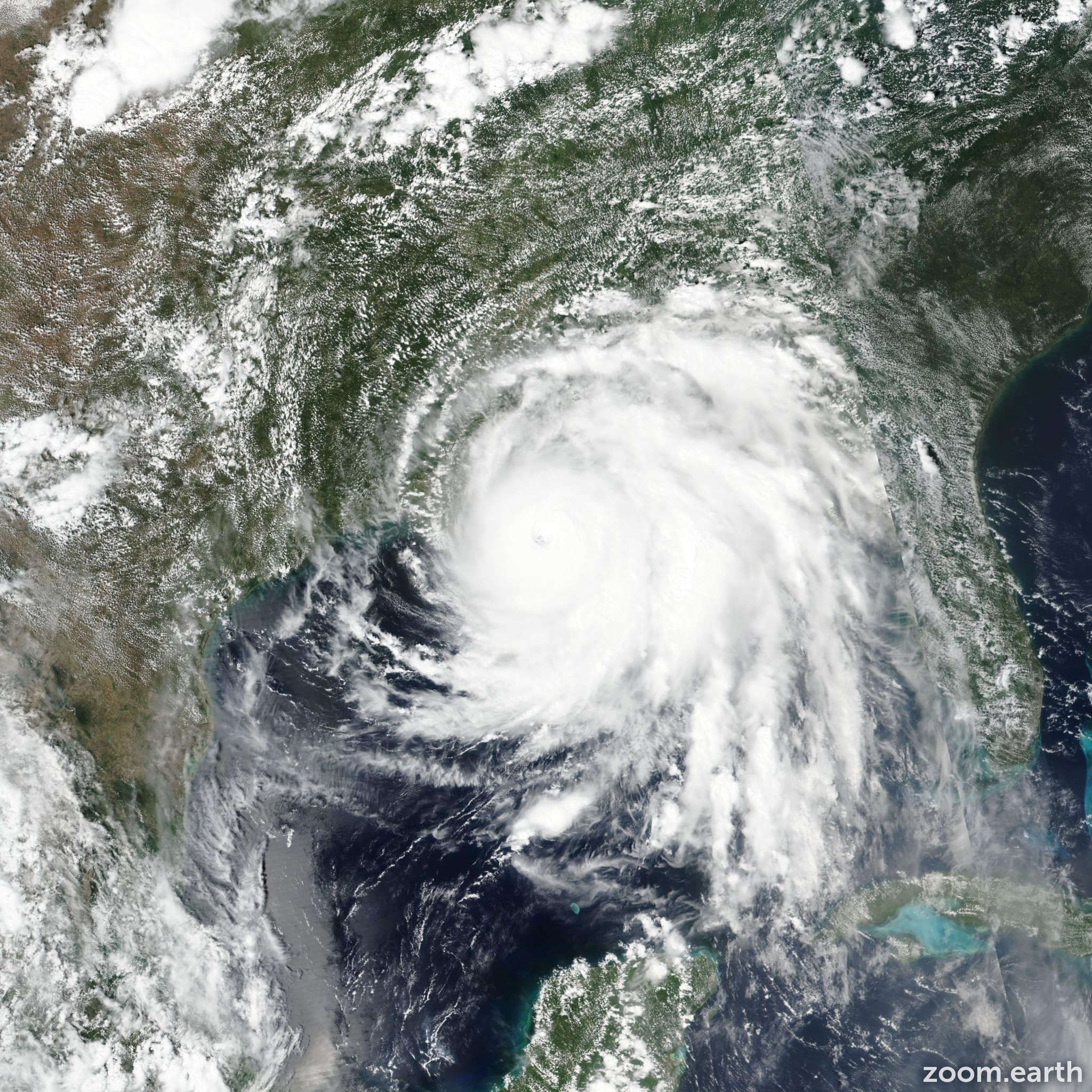
The prediction market on Category 4 hurricane landfalls in the conterminous United States currently stands at 35% probability through December 31, 2026. With $326,300 in trading volume and stable pricing over the past 24 hours, the market reflects a measured assessment of major hurricane risk during a three-year window. The specification requires winds of 130–156 mph at landfall, excluding the more extreme Category 5 classification, and relies on initial National Hurricane Center advisories for resolution.
Why It Matters
Category 4 hurricanes represent a significant threshold in hurricane severity, capable of catastrophic structural damage and loss of life. Understanding the probability of such an event making landfall informs insurance pricing, emergency preparedness planning, and broader climate risk assessment. The 35% odds suggest traders view such a landfall as moderately likely but far from certain—approximately one chance in three over the three-year period. This assessment carries implications for coastal communities, infrastructure investment decisions, and climate-related policy discussions.
Key Factors Driving the Probability
Historical frequency provides a crucial baseline for market pricing. The Atlantic hurricane season produces Category 4 or stronger storms irregularly; since 1950, the continental US has experienced Category 4 landfalls at varying intervals, with some decades seeing multiple events and others seeing none. The 35% probability roughly aligns with long-term climatological expectations for a three-year window, suggesting traders are anchoring to historical patterns rather than making dramatic upward or downward adjustments. Sea surface temperatures, the Atlantic Multidecadal Oscillation (AMO), and other climate indices influence seasonal hurricane activity, though predicting individual landfall locations and intensities at landfall remains inherently uncertain. The market's stability over recent periods indicates no significant new information has shifted consensus views of the underlying risk.
Outlook
The market could shift based on several developments. A strong 2024 or 2025 Atlantic hurricane season featuring multiple intense storms would likely increase probabilities, while consecutive quieter seasons could suppress them. Longer-term climate signals—such as sustained sea surface temperature anomalies or shifts in atmospheric patterns—could gradually adjust expectations. Scientific advances in seasonal hurricane forecasting might also influence trader positioning, though the inherent variability of hurricane formation and track prediction limits precision. Barring major new climate data or an actual Category 4 landfall that resolves the market, current odds appear likely to remain within a moderate range reflecting the baseline historical risk.