Market Overview
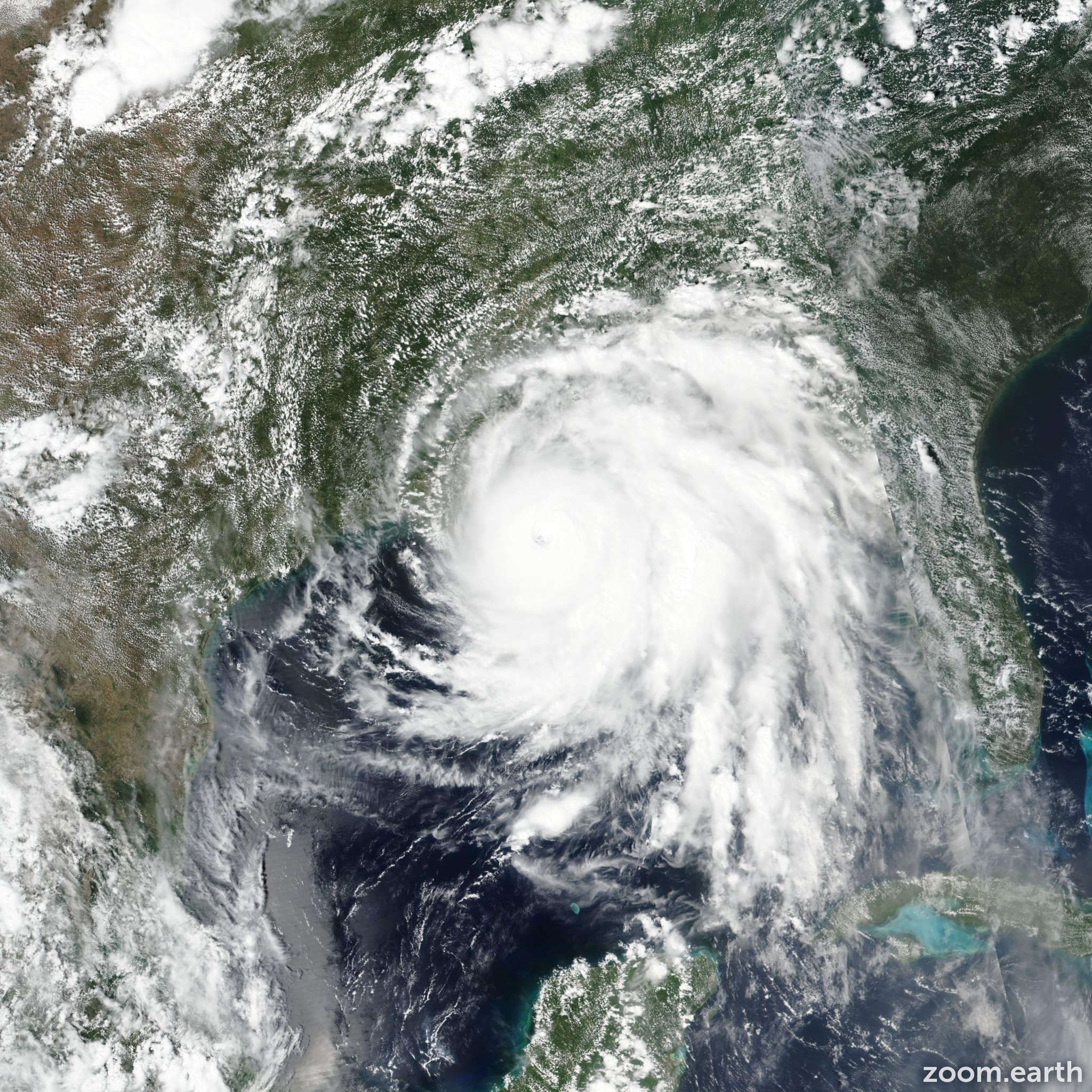
Prediction markets are currently pricing the likelihood of a significant natural disaster in 2026 at 27%, reflecting modest but meaningful concern about the occurrence of an extreme event meeting one of four defined criteria. The market captures uncertainty around four distinct disaster types: a Category 5 hurricane making US landfall, a meteor impact of 10 kilotons or greater, a volcanic eruption rated VEI 6 or higher, or an earthquake of magnitude 8.5 or greater. Trading volume of $215,647 suggests moderate engagement with the question, though the probability has remained stable over the past 24 hours, indicating no recent catalyzing information or sentiment shift.
Why It Matters
Natural disaster prediction markets serve as barometers for probabilistic thinking about low-frequency, high-impact events. The 27% figure translates directly to odds of roughly 3.7-to-1 against such an event occurring, which traders implicitly judge as more likely than would be expected from raw historical averages alone. Understanding how markets price catastrophic risk is relevant for insurance pricing, disaster preparedness planning, and testing whether crowd predictions align with scientific baseline rates. The specific thresholds embedded in this market—Category 5 landfall, 10kt+ meteor, VEI 6 volcano, 8.5+ earthquake—collectively define \"major\" disaster in a way that excludes more common severe weather or seismic events.
Key Factors
Historical frequency data provides the primary anchor for valuation. US Category 5 hurricane landfalls occur roughly once per 20–30 years on average, though 2026 represents a single year, making the contribution to annual probability modest. Meteor strikes of 10kt+ are estimated to occur on millennial timescales or longer, contributing negligible probability. Major volcanic eruptions (VEI 6+) happen approximately once per century globally. Earthquakes of 8.5+ magnitude are among the rarest seismic events, with historical records showing them on decadal to centennial intervals. The 27% probability reflects traders either applying non-uniform weighting to these components, incorporating uncertainty about baseline rates, or pricing in potential underestimation of tail-risk frequency. Climate change may subtly influence Atlantic hurricane dynamics and thus Category 5 occurrence probability, though the effect on a single year remains speculative.
Outlook
The market is unlikely to experience sharp repricing absent new scientific data altering baseline rate estimates or observable early signals—such as Atlantic sea surface temperatures anomalously favorable for extreme hurricanes as the 2026 Atlantic season approaches. The resolution framework, which allows the market to remain open until February 28, 2027 if information is pending, introduces slight timing asymmetry that could matter for borderline cases. Traders monitoring this market will primarily track seasonal hurricane forecasts in summer 2026 and seismic monitoring reports for unusually active fault zones, as these represent the most probable resolution pathways given the extreme rarity of meteor impacts and major volcanic events. The stable 27% probability suggests current market consensus views the threshold combinations as neither unusually likely nor negligible for the 2026 calendar year.