Market Overview
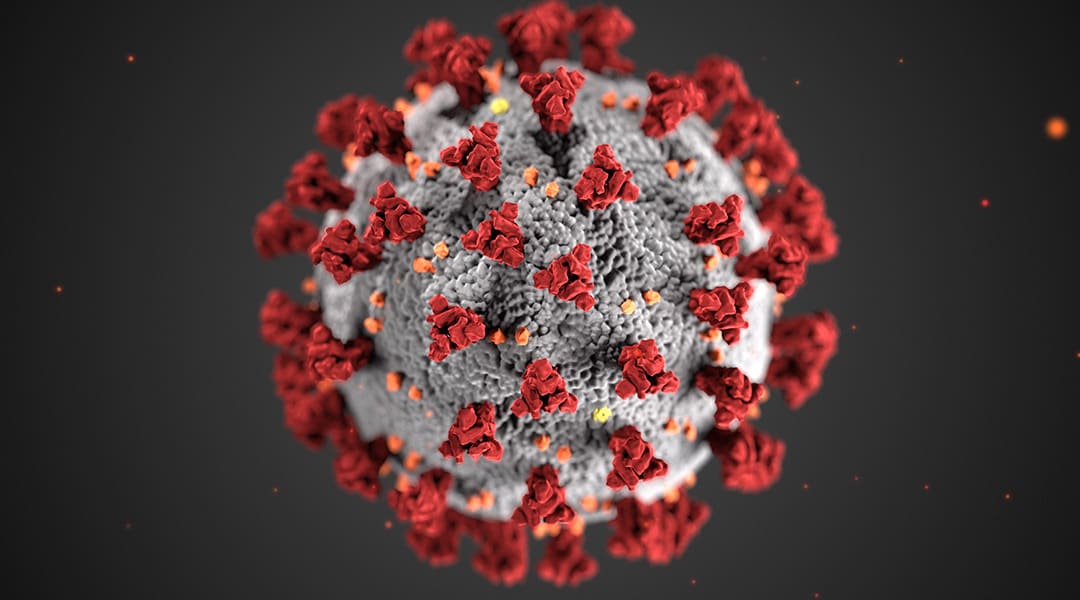
Prediction markets are currently assessing a 9% probability that the World Health Organization will declare a pandemic at any point during 2026. With $244,034 in trading volume, the market reflects a baseline expectation that another WHO-level pandemic declaration—comparable to those issued for COVID-19, H1N1, or mpox—remains a low-probability event over the next year. The stable odds over the past 24 hours suggest the market has settled around an equilibrium price, with no recent news or developments driving significant repricing.
Why It Matters
Pandemic risk carries profound implications for public health policy, economic planning, and capital markets. A 9% annual probability translates to roughly a 1-in-11 chance, which traders consider meaningful even if unlikely. For investors, governments, and health institutions, understanding the perceived pandemic baseline informs contingency planning, vaccine development priorities, and supply chain resilience strategies. The market price suggests that while the worst-case scenarios remain manageable in traders' assessment, they are far from dismissed.
Key Factors Driving the Probability
Several structural factors influence this valuation. First, the recent COVID-19 pandemic has heightened global disease surveillance and institutional awareness, potentially reducing the lag time between pathogen emergence and detection—but also leaving populations with pandemic fatigue. Second, zoonotic disease spillover events continue to occur at regular intervals; avian influenza variants, for instance, have circulated in poultry and sporadically in humans throughout recent years without triggering a WHO pandemic declaration. Third, the WHO's declaration threshold remains somewhat subjective and influenced by political, epidemiological, and economic considerations, introducing uncertainty around what events would actually qualify. Additionally, ongoing geopolitical fragmentation could either strengthen or weaken the organization's role and responsiveness, affecting declaration likelihood.
Outlook
For the probability to shift materially upward, traders would likely need evidence of an emerging pathogen with pandemic characteristics—such as sustained human-to-human transmission, geographic spread, or clinical severity. Conversely, a decline in zoonotic spillover events, improved therapeutics, or vaccine breakthroughs could reduce perceived pandemic risk. The 9% baseline will remain sensitive to real-time developments in disease surveillance, seasonal respiratory illness patterns, and any credible reports of novel infectious agents with pandemic potential. Market participants should monitor WHO communications, epidemiological data, and research publications on emerging infectious diseases for signals that could move this probability materially.