Market Overview
The probability of a crewed lunar landing occurring before the end of 2026 stands at 4.3%, with trading volume of $1.9 million indicating sustained interest in this long-duration space exploration question. The market has remained stable at this level over the past 24 hours, suggesting a consensus view among traders rather than recent reaction to breaking developments. At this probability level, traders are assigning roughly 1-in-23 odds to the outcome—a decisive rejection of the near-term landing scenario despite decades of human spaceflight experience and existing national space programs.
Why It Matters
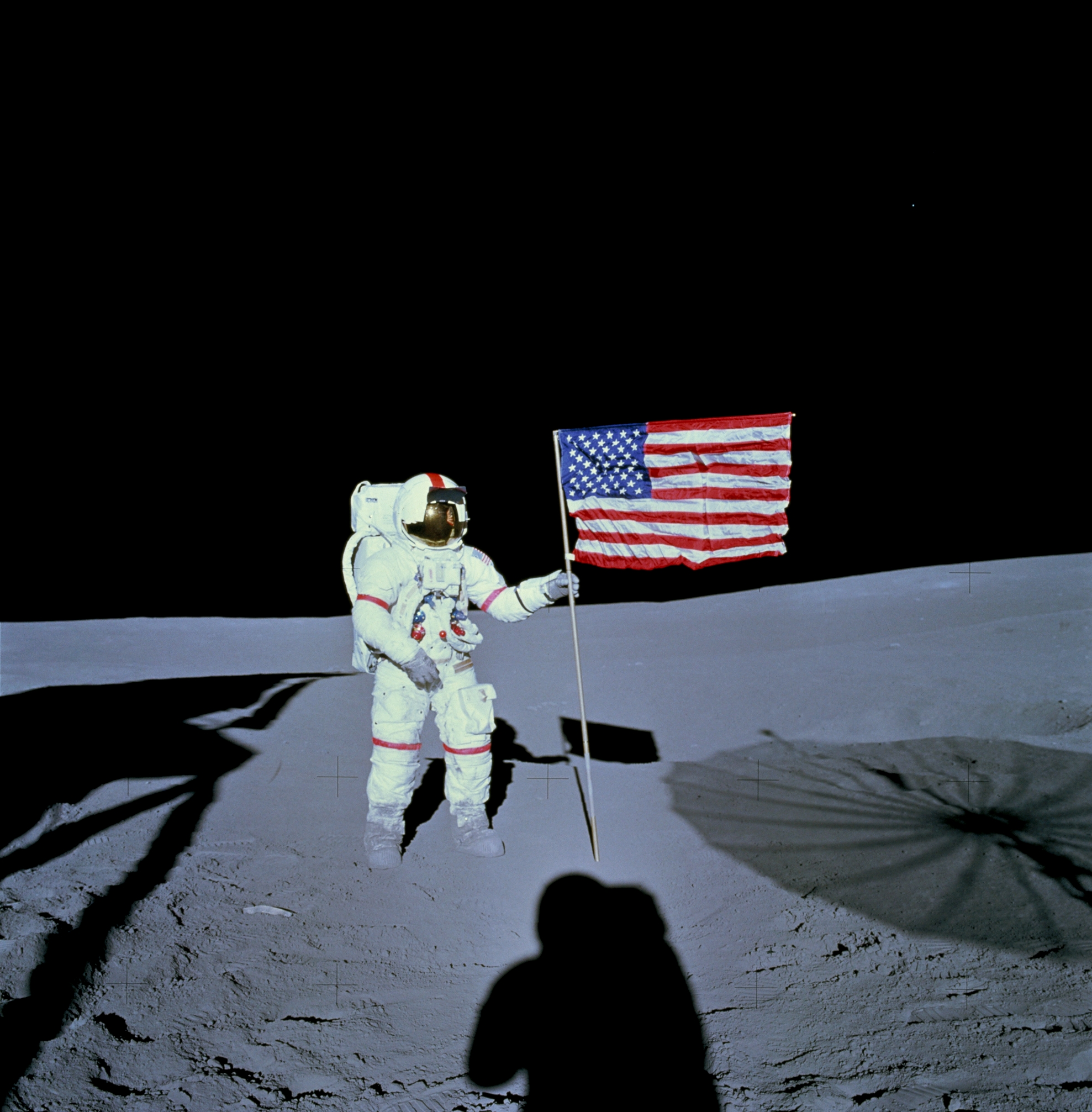
A crewed moon landing represents one of humanity's most significant technical and symbolic achievements. The resolution of this market serves as a barometer for near-term space program timelines and reflects broader expectations about the pace of government-funded space exploration. For investors, aerospace contractors, and space enthusiasts, the probability embedded in this market provides a quantified baseline for evaluating NASA's Artemis program credibility and the realistic deployment schedules for moon-capable infrastructure.
Key Factors
NASA's official timeline positions Artemis II, a crewed lunar flyby (not landing), for late 2025 at the earliest, with Artemis III—the first crewed lunar landing—targeted for 2026 or 2027. However, the program has experienced multiple delays, cost overruns, and technical challenges with the Space Launch System rocket and Orion capsule. For a 2026 landing to occur, Artemis II would need to launch successfully, be followed by rapid completion of remaining hardware and testing, and then Artemis III would need to execute flawlessly on its first attempt—an ambitious sequence by historical standards. No other nation or private entity has announced a crewed lunar landing capability operational by end of 2026; China's human lunar program remains in earlier phases, and commercial lunar lander programs have focused primarily on robotic precursor missions. The market's 4.3% probability reflects the cumulative uncertainty of multiple dependencies all aligning within a compressed timeframe.
Outlook
The trajectory of this probability will likely remain anchored to official updates from NASA and technical milestones on Artemis II. Any announcement of Artemis II launch delays beyond mid-2025 would almost certainly compress the odds further, as the margin for scheduling Artemis III and executing a landing within the same calendar year would narrow to near-zero. Conversely, a successful Artemis II mission in late 2025 combined with demonstrated readiness of Artemis III hardware could prompt meaningful upward revision. The stability of current pricing suggests traders view the 2026 target as aspirational rather than probable, with 2027 or beyond emerging as the more credible timeframe for the next human lunar landing.