Market Overview
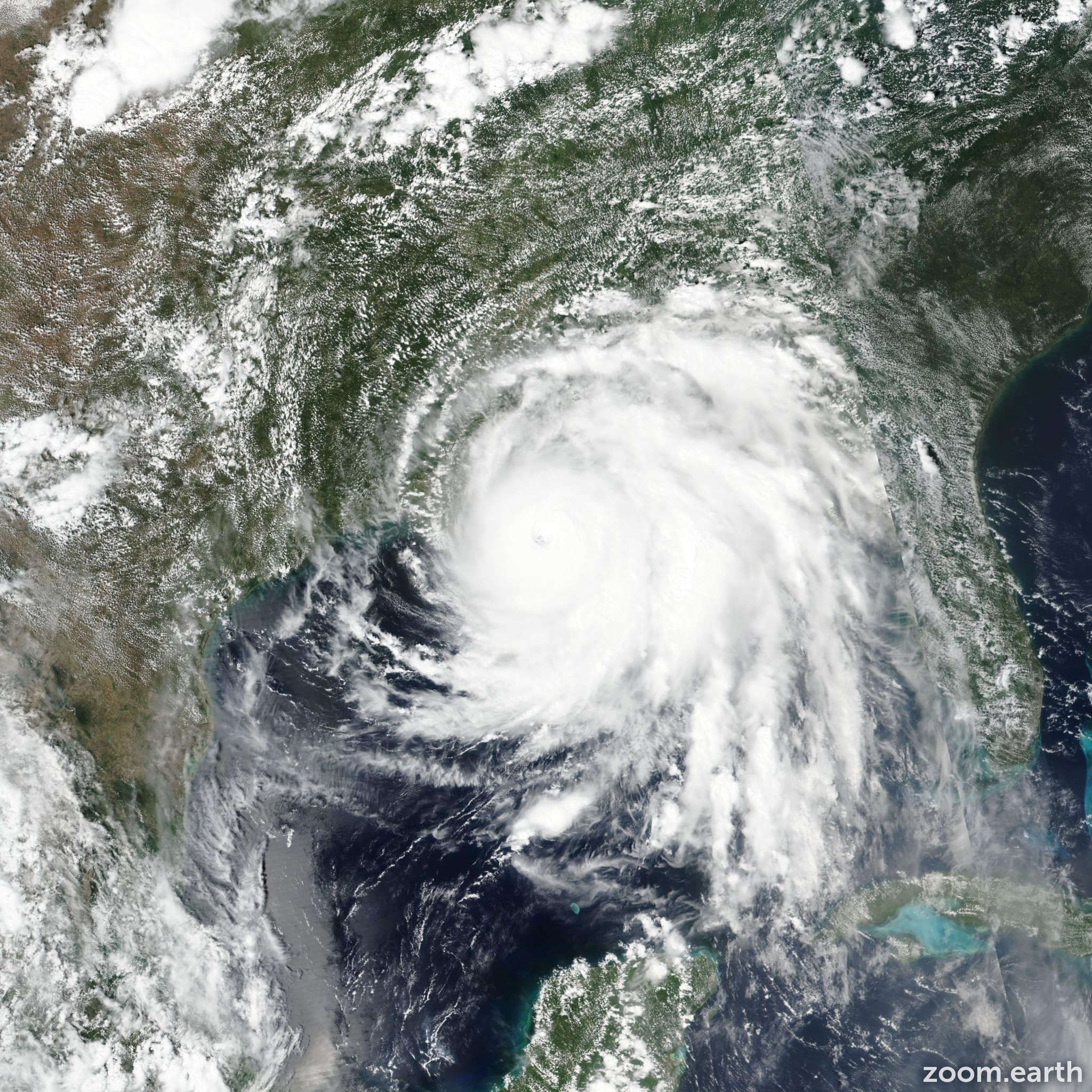
Prediction market participants are currently assigning a 35% probability to a Category 4 hurricane making landfall in the conterminous United States before the end of 2026. With roughly two years remaining in the forecast window, the market has seen stable pricing at this level over the past 24 hours, supported by $326,300 in trading volume. The question specifically focuses on storms with maximum sustained winds between 130-156 mph, excluding the most extreme Category 5 storms, and relies on initial National Hurricane Center determinations at the moment of landfall.
Why It Matters
Category 4 hurricanes represent a significant threshold for coastal risk assessment and emergency preparedness. These storms cause catastrophic damage, with sustained winds capable of causing severe structural failure and widespread devastation across broad areas. The probability assigned in this market reflects the statistical likelihood of such an event occurring within a defined timeframe and geographic area, informing insurance risk models, government preparedness budgets, and public understanding of hurricane hazards. The two-year window extends through the remainder of the 2025 and 2026 Atlantic hurricane seasons, covering roughly 730 days of exposure.
Key Factors
The 35% odds appear to reflect historical landfall frequencies combined with current understanding of Atlantic hurricane climatology. Major hurricanes (Category 3 or higher) have struck the US mainland roughly once per year on average across recent decades, though Category 4 specific landfalls occur less frequently. The market pricing suggests roughly a one-in-three likelihood that at least one storm reaches the specific Category 4 threshold upon US landfall within the timeframe. Factors influencing this probability include sea surface temperatures, atmospheric circulation patterns, and the inherent variability of Atlantic hurricane seasons, which have shown significant year-to-year fluctuations in both frequency and intensity.
Outlook
The market's stability at 35% suggests a baseline assessment grounded in long-term climatological data rather than near-term forecasting. Significant shifts would likely require either major revisions to seasonal hurricane forecasts or substantial changes in climate-related indicators affecting Atlantic basin dynamics. The resolution criteria—based on initial NHC advisories at landfall—provides a clear, objective standard, though the market does acknowledge potential for subsequent corrections to affect interpretation. As the 2025 Atlantic hurricane season approaches, seasonal forecast updates from NOAA and academic institutions could serve as key catalysts for probability adjustments.