Market Overview
Prediction market traders are assigning just 16.5% odds to the emergence of a new COVID variant of concern before the end of 2026, according to current pricing. The market has remained stable at this level over the past 24 hours, with $237,330 in trading volume, indicating a modest but meaningful level of interest in the outcome. This probability translates to roughly a one-in-six chance of such a designation during the 12-month resolution period, suggesting market participants view new variants of concern as unlikely but not implausible events in the near term.
Why It Matters
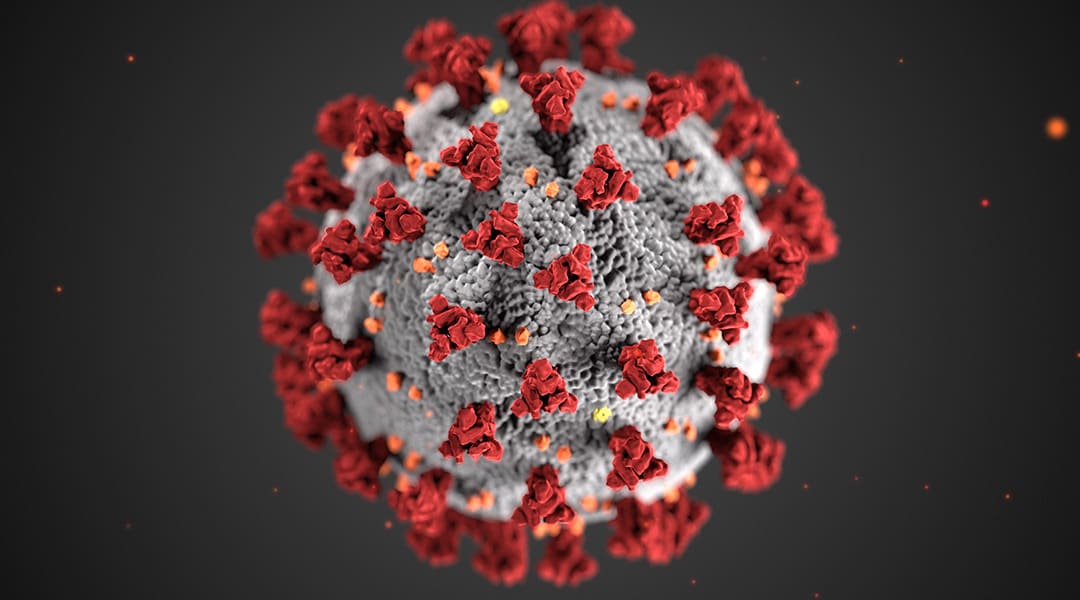
The identification of a variant of concern by the CDC carries significant implications for public health policy, vaccine development priorities, and pandemic preparedness. Variants of concern are distinguished from other variants by traits such as increased transmissibility, increased virulence, or reduced effectiveness of vaccines and treatments. The designation triggers heightened monitoring, research efforts, and potential policy responses. Whether COVID-19 will produce notable variants of concern in 2026 relates directly to fundamental questions about the virus's trajectory: whether it is stabilizing into endemic patterns or continuing to undergo substantial evolution that could produce clinically significant changes.
Key Factors
Several dynamics appear to inform the current low probability assessment. First, COVID-19 has circulated globally for over five years, and the virus has already produced multiple variants of concern, yet the pace of emergence appears to have slowed relative to 2020-2022. Second, widespread immunity—both from vaccination and prior infection—may be constraining the selective pressure for dramatic antigenic changes. Third, endemic respiratory viruses typically exhibit seasonal patterns and gradual drift rather than abrupt leaps to new variants of concern. However, counterbalancing factors exist: large population bases in Asia and Africa provide ample opportunities for viral evolution, immunocompromised populations can harbor the virus for extended periods allowing mutation, and SARS-CoV-2 has demonstrated unexpected evolutionary capacity before. The CDC's specific classification criteria—requiring demonstrated increases in transmissibility, virulence, or immune evasion—set a meaningful threshold that distinguishes variants of concern from routine variants detected through sequencing.
Outlook
The 16.5% probability reflects a baseline assumption of relative viral stability through 2026, but markets will likely adjust if specific developments emerge: sustained increases in hospitalization rates, evidence of immune escape by circulating variants, or reports of unusual symptom patterns. Traders will also monitor CDC communications and variant surveillance data throughout 2026, as early signals of novel variants could shift probabilities materially. The resolution hinges entirely on CDC official designations, making the agency's classification decisions the critical determinant rather than the mere existence of new variants, which are inevitably detected through routine genetic sequencing.