Market Overview
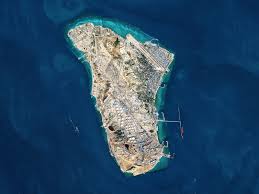
Prediction markets are assigning a 7.5% probability to the scenario that Kharg Island will no longer be under Iranian control by May 31, 2026. With $4 million in trading volume, the market reflects modest but genuine uncertainty about the fate of one of the Middle East's most strategically critical energy infrastructure sites. The stable pricing over the past 24 hours suggests the market has settled on a consensus view: while control change is possible, it remains a low-probability event within the specified timeframe.
Why It Matters
Kharg Island is home to Iran's primary oil export terminal and represents critical infrastructure for the Iranian economy. The island has been targeted multiple times during the Iran-Iraq War and has periodically faced threats from regional adversaries. Control of the island carries enormous economic and strategic implications for Iran and has potential consequences for global energy markets. The resolution criteria are notably stringent—temporary raids, bombardment, or naval presence do not qualify; actual governmental or military control must be established and maintained by another actor. This high bar explains the low baseline probability.
Key Factors
Several elements shape the 7.5% odds. First, Kharg Island's remote location in the Persian Gulf and Iranian defensive capabilities make seizing and holding the island militarily challenging for any potential adversary. Second, the timeframe of less than 18 months from the market's perspective is relatively compressed for achieving and consolidating control of a defended position. Third, any realistic scenario for control change would likely require either major escalation in regional conflict, a significant shift in geopolitical alignment, or negotiated settlement—none of which can be assumed as probable in the near term. The resolution criteria's emphasis on \"actual control\" rather than temporary disruption further raises the bar. However, the 7.5% probability is not negligible, acknowledging that regional military tensions, potential wider conflicts, or unexpected diplomatic developments could create pathways to control change that currently appear unlikely.
Outlook
Market movement would likely require tangible shifts in regional military posture or credible indications of planned operations against the island. Escalation in broader Middle Eastern conflicts, demonstrated capacity by adversaries to execute amphibious operations, or official statements regarding territorial claims could all move probabilities higher. Conversely, stabilization of regional tensions or explicit Iranian strengthening of the island's defenses would likely reinforce the current low odds. Traders should monitor developments in regional maritime security, any widening of existing conflicts, and official rhetoric from governments with interest in Persian Gulf territorial control.