Market Overview
Prediction markets are currently pricing the probability of Iran losing control of Kharg Island by April 15, 2026, at 5.5%, a level that has remained stable over the past day despite $2.9 billion in trading volume. The low probability reflects market consensus that while regional tensions remain elevated, an actual transfer of territorial control over the strategically critical oil and gas export hub remains an unlikely scenario within the specified timeframe. The resolution criteria impose a strict standard: mere raids, bombardment, or temporary disruptions do not qualify; only the establishment of sustained governmental or military control by another entity would trigger a \"Yes\" resolution.
Why It Matters
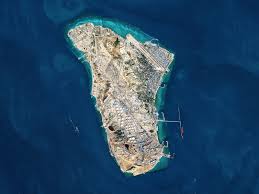
Kharg Island serves as Iran's primary crude oil and natural gas export terminal, making it one of the most strategically significant pieces of Iranian infrastructure. Located in the Persian Gulf approximately 25 kilometers offshore, the island's control carries outsized importance for Iran's economy and regional military posture. Any loss of control would represent a major geopolitical shift with implications for global energy markets, Iranian government stability, and the broader dynamics of regional conflict. The narrow resolution window of approximately 16 months from the market's current state makes the threshold for change particularly high.
Key Factors
Several factors underpin the low market probability. First, Iran maintains robust military defenses on and around Kharg Island, including air defense systems and naval assets, making a conventional assault costly and logistically challenging. Second, no regional power currently possesses both the military capability and political will to undertake and sustain such an operation. While various actors have the capacity to damage or temporarily disrupt Iranian operations—as demonstrated by periodic attacks on tankers and infrastructure in recent years—establishing effective control over the island presents an entirely different challenge. Third, international law and the positions of major powers create significant diplomatic obstacles to any territorial seizure. Finally, the resolution criteria explicitly exclude temporary military actions, raids, or contested control, establishing a high evidentiary standard that would require unambiguous evidence of a power transfer.
Outlook
For the probability to shift materially upward, a significant escalation in regional conflict would likely be required—such as a broader military confrontation involving multiple state actors or a dramatic shift in the balance of power in the Persian Gulf. Even such developments would need to translate into sustained military operations against a well-defended position and culminate in actual control being established within 16 months. Market participants appear to view such scenarios as distinctly unlikely given current trajectories. Conversely, any de-escalation in regional tensions or diplomatic breakthroughs would likely reinforce the low probability currently priced in. The stability of the market price over recent trading suggests that participants see limited new information pointing toward a control change.