Market Overview
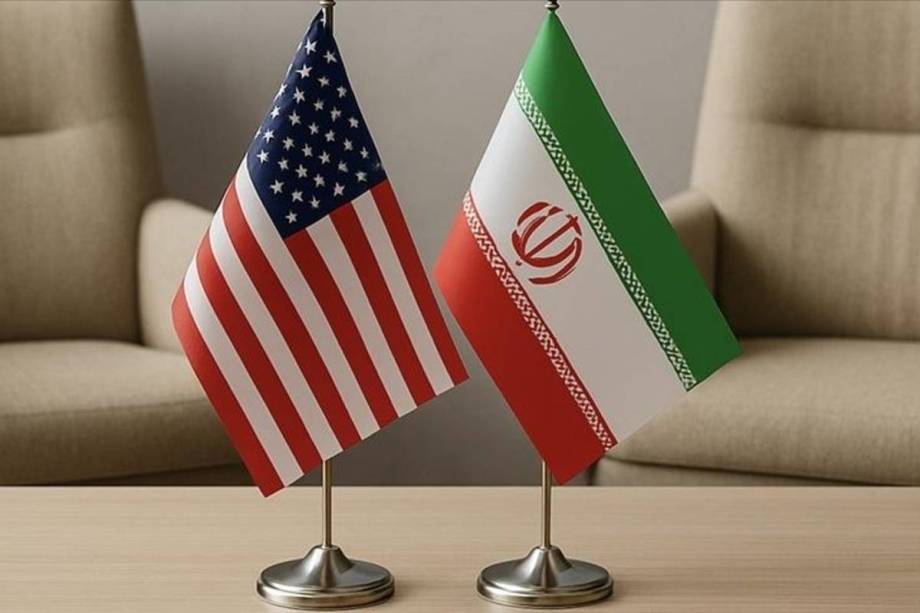
Prediction market participants are currently pricing a US-Iran ceasefire agreement by April 15 at 56.5% probability, suggesting near-even odds with a modest lean toward resolution. The market has shown stability, with the price unchanged over the past 24 hours despite $20.1 million in trading volume, indicating active but steady positioning rather than conviction-driven directional moves. The probability threshold above 50% signals that traders view such an agreement as more likely than not, though the narrow margin reflects genuine disagreement about prospects.
Why It Matters
A formal ceasefire between the United States and Iran would represent a significant shift in Middle Eastern geopolitics and could reduce regional military escalation risks. The market's definition requires explicit public confirmation from both governments—a high bar that excludes unofficial de-escalation, humanitarian pauses, or unilateral actions. Such precision matters because informal understandings, while diplomatically valuable, would not trigger resolution. The April 15 deadline creates urgency; with this date relatively near, the market is assessing near-term diplomatic feasibility rather than speculating on longer-term peace trajectories.
Key Factors
Several structural realities complicate the path to an official agreement. Historically, the US and Iran have struggled to reach formal bilateral military understandings, with most interaction occurring through proxies or indirect channels. Both governments face domestic political pressures that constrain negotiating flexibility—the US must balance regional ally commitments while Iran navigates hardline factions skeptical of American intentions. The high evidentiary standard—requiring credible media consensus confirming an official agreement—may also create ambiguity around whether preliminary frameworks or technical agreements qualify, adding resolution risk. The stability in market pricing suggests participants have largely settled on a baseline view, with neither strong optimism about imminent breakthroughs nor pessimism about complete diplomatic failure.
Outlook
Movements in this market will likely correlate with visible diplomatic activity: formal bilateral talks, back-channel signaling, or statements from either government signaling movement toward negotiation. Conversely, military incidents, rhetoric escalation, or public rejection of talks from either side could shift odds downward. The current 56.5% probability implies traders see a narrow but real path to formalized agreement by mid-April, though the timeframe and agreement's stringent definition mean the resolution remains contingent on accelerated diplomatic progress. Should the deadline approach without announced negotiations, market pricing would typically decline.