Market Overview
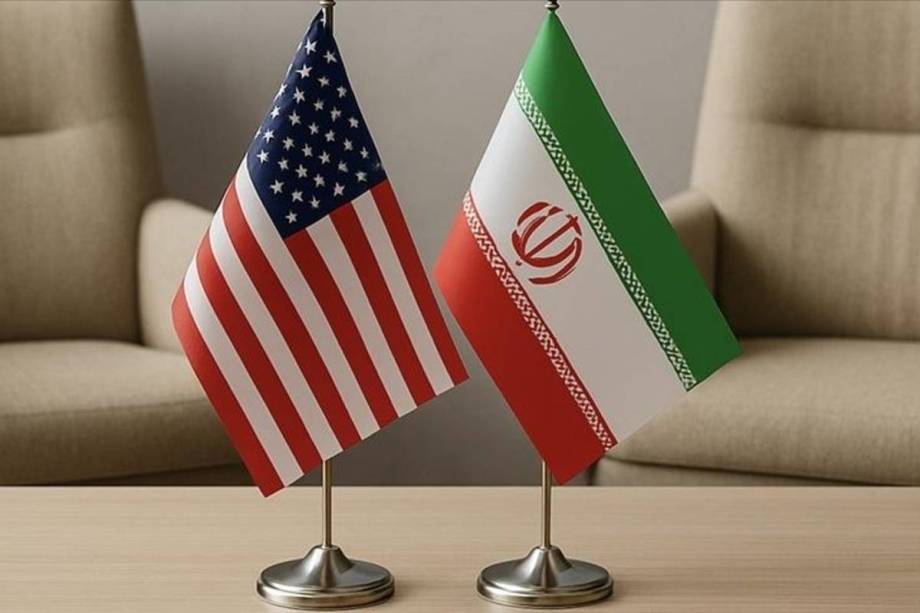
Prediction markets are currently assigning a 33.1% probability to a sustained pause in direct military conflict between Iran and the Israel-US alliance lasting at least two weeks by mid-April. The market has remained stable at this level over the past 24 hours with substantial volume of $3.7 million, indicating sustained trader engagement with the question. The 33% threshold suggests that market participants view a 14-day cessation of qualifying military actions as a meaningful but decidedly unlikely outcome within the specified timeframe.
Why It Matters
The definition of resolution is notably specific: the market requires a complete 14-day period free from direct military strikes, airstrikes, naval attacks, or ground incursions by official Iranian forces or Israeli-US operations targeting each other's territory or diplomatic installations. Notably, proxy actions by Hezbollah, Houthis, and other non-state actors do not qualify, focusing the market strictly on state-level direct conflict. At the current probability, traders are effectively pricing in the likelihood of at least one military escalation in the coming months, while leaving room for the possibility of diplomatic breakthroughs or mutual restraint.
Key Factors
Several structural factors appear to be depressing the probability below 50%. Recent cycles of Iranian and Israeli military exchanges—including Iran's April 2024 drone and missile strikes on Israel and subsequent Israeli responses—have established a pattern of tit-for-tat escalation that suggests sustained tension. The involvement of the United States as a party to the conflict definition broadens the trigger set, encompassing potential US military actions in defense of Israel or against Iranian targets. Additionally, the 14-day continuous requirement is stringent; even a single qualifying military action resets the clock, making accidental escalation, miscalculation, or deliberate strikes by either side a realistic risk. Conversely, ongoing ceasefire proposals, humanitarian concerns, and war fatigue could support a period of restraint.
Outlook
For the probability to materially increase, traders would likely need to see concrete progress in diplomatic negotiations, multilateral pressure on both sides to refrain from escalation, or a significant shift in the regional security posture reducing immediate flashpoints. Conversely, any confirmed military action—whether a targeted strike, naval incident, or drone operation—would reset expectations and keep the market anchored at relatively low probabilities. The current 33% odds reflect a market view that meaningful de-escalation by mid-April is plausible but historically and strategically unlikely given recent precedent. Developments in Israeli operations in Gaza, Houthi attacks on shipping, or shifts in US regional posture could all influence trader assessments in coming weeks.