Market Overview
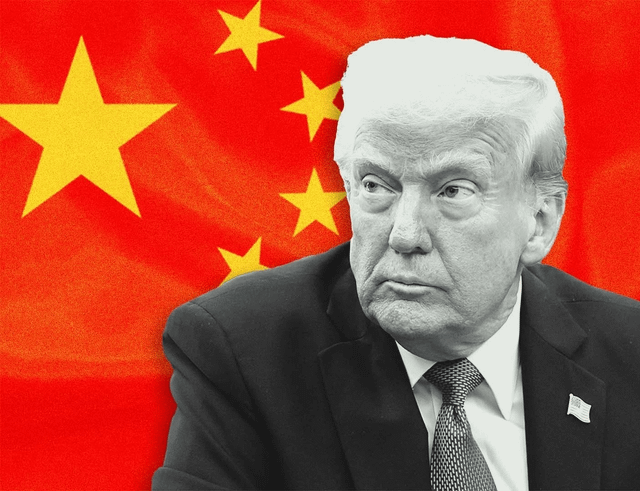
Prediction markets are assigning a 1.6% probability to a Trump visit to China by April 30, 2026, with substantial trading volume of $8.9 million indicating significant market interest in the outcome. The odds have remained flat over the past 24 hours, suggesting stable market consensus around this outcome. This probability translates to roughly 1-in-60 odds, placing the event in the category of unlikely but not impossible scenarios. The low valuation reflects traders' assessment that such a visit faces substantial structural obstacles within the specified 14-month window.
Why It Matters
A Trump visit to China would carry outsized geopolitical significance, potentially signaling a major shift in U.S.-China relations and the trajectory of one of the world's most consequential bilateral relationships. Such a visit could presage substantive diplomatic negotiations on trade, technology, military posturing, or other flashpoint issues. Conversely, the absence of such a visit by the deadline would reinforce the current pattern of elevated tensions and limited high-level engagement between the two powers. For investors and policy observers, this market serves as a barometer of expectations for near-term diplomatic breakthrough or continued strategic competition.
Key Factors
Several structural factors support the market's skepticism. First, the timeframe is compressed—14 months is a relatively short window for organizing a state visit of such magnitude, particularly given security and diplomatic protocol requirements. Second, contemporary U.S.-China relations remain strained across multiple dimensions, including trade disputes, technology competition, and geopolitical rivalry in the Indo-Pacific. Third, Trump's previous China visit as president occurred in November 2017, early in his first term when diplomatic channels were more actively engaged. Fourth, any such visit would require careful political calculation domestically, given China's controversial standing in U.S. politics. The market's valuation suggests traders believe these headwinds are unlikely to be overcome within the specified timeframe.
Outlook
The probability could shift meaningfully if several developments occur: a significant thaw in U.S.-China relations, formal diplomatic announcements of high-level engagement, or major trade negotiations that necessitate direct presidential involvement. Conversely, escalating geopolitical tensions would likely depress the already-low probability further. Market participants should monitor bilateral trade announcements, official diplomatic statements, and broader shifts in strategic competition as primary indicators. The current 1.6% pricing reflects a base case of continued status quo tensions with minimal expectation of breakthrough engagement, a view consistent with recent policy trajectories but not foreclosing the possibility of dramatic diplomatic shifts.