Market Overview
Prediction markets are pricing the probability of Iran losing control of Kharg Island by June 30, 2026, at 11.5%, with trading activity remaining stable over the past day. The market has attracted over $1.9 million in volume, indicating meaningful interest in the geopolitical scenario. The resolution criteria are rigorous: temporary military operations, bombardment, or naval presence would not qualify. Control must be definitively established and maintained by another state, occupying force, or internationally backed authority, with primary reliance on official government statements and consensus credible reporting to determine the outcome.
Why It Matters
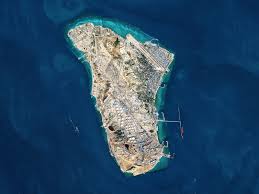
Kharg Island remains one of Iran's most critical energy infrastructure assets, serving as the primary export terminal for Iranian crude oil and hosting major loading facilities. The island's strategic importance means any change in its control would represent a significant shift in regional power dynamics and could have substantial implications for global energy markets. The question captures market sentiment regarding the risk of military conflict or political upheaval in the Persian Gulf region over an 18-month timeframe—a period that encompasses multiple potential flashpoints in U.S.-Iran relations, Israeli-Iranian escalation, or regional proxy conflicts.
Key Factors
The low probability reflects several structural realities: Iran has maintained firm military and governmental control of Kharg Island for decades, with substantial defensive infrastructure in place. For control to change would require either a major military operation by an external power capable of projecting force into Iranian territory, a negotiated settlement following significant conflict, or internal state collapse—none of which appear imminent based on current assessments. Regional tensions, while persistent, have not escalated to the point of direct warfare over Iranian sovereign territory. The 18-month timeframe also constrains the scenario; capturing and establishing control over an island requires sustained military commitment beyond isolated strikes or temporary incursions, which the resolution criteria explicitly exclude.
Outlook
Barring a dramatic escalation in regional conflict—such as a major war between Iran and Israel, sustained military intervention by external powers, or a transformative political upheaval—the probability of this outcome is likely to remain in the single digits through the resolution date. Markets would likely reprice significantly higher only in response to credible evidence of imminent large-scale military operations targeting Iranian territory or concrete indications of a major regional conflict. Developments to monitor include any escalation in Israeli-Iranian military exchanges, significant changes in U.S. policy toward Iran, or major disruptions to the geopolitical status quo that could alter calculus regarding direct intervention in Iranian waters.