Market Overview
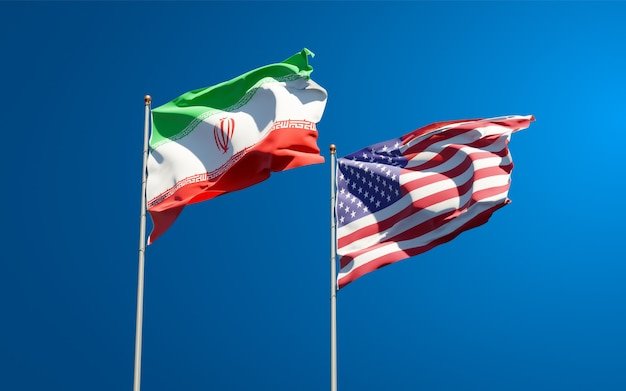
The Iran nuclear weapons prediction market is currently trading at 9.6% probability, implying traders assess just under a one-in-ten chance that Iran will possess a confirmed nuclear weapon by December 31, 2026. With nearly $577,000 in total volume and no significant price movement in the past 24 hours, the market reflects a relatively settled consensus among participants, though the substantial trading activity indicates this remains an actively debated geopolitical outcome.
Why It Matters
Iran's nuclear program has been a central fixture of international relations for decades, directly affecting U.S.-Middle East policy, regional security dynamics, and global oil markets. The 2.5-year timeframe of this market is particularly relevant given that negotiations over Iran's nuclear capabilities—including the 2015 Joint Comprehensive Plan of Action (JCPOA)—have been in flux since the U.S. withdrawal in 2018. Whether Iran crosses the threshold to weaponization would represent a watershed geopolitical event with implications for U.S. policy, Israeli security, and broader Middle Eastern stability.
Key Factors
The market's pricing reflects several competing dynamics. On the side of lower probability: international inspections, technical constraints on weaponization, and the potential for renewed diplomatic engagement have historically slowed advancement. The current 9.6% probability suggests traders believe these constraints remain substantial. Conversely, factors supporting higher risk include Iran's continued uranium enrichment beyond JCPOA limits, erosion of inspection access in certain facilities, and the absence of a binding international agreement since 2018. The 2.5-year resolution window is notably compressed relative to historical timescales—weaponization typically requires both enriched material and weapons engineering, both of which involve observable milestones.
Outlook
The market's stability suggests no imminent expectations of major breakthroughs or escalations. Future price movement will likely depend on developments including diplomatic initiatives, verified uranium enrichment levels reported by the International Atomic Energy Agency, Israeli or U.S. intelligence revelations, or explicit Iranian policy shifts. A narrowing timeline without verified weaponization advances would ordinarily pressure odds downward, while discovery of active weapons development programs or significant technical acceleration could shift sentiment substantially. The relatively low baseline probability indicates markets are pricing in either meaningful technological barriers or diplomatic resolution as more likely than accelerated weapons development over the next 30 months.