Market Overview
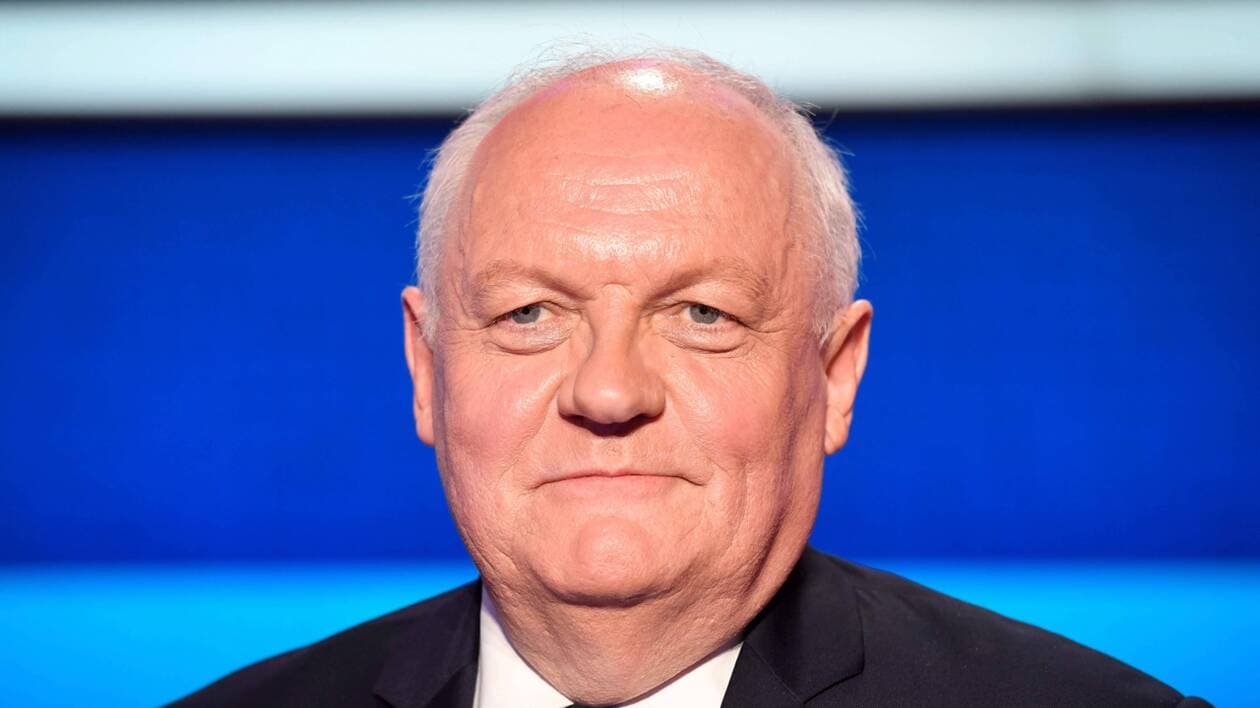
Prediction markets are pricing François Asselineau's chances of winning the 2027 French presidential election at 0.5%, a probability that has remained stable over the past 24 hours despite nearly $3 billion in cumulative trading volume. The slim odds reflect widespread skepticism among market participants that the UPR (Union Populaire Républicaine) leader can overcome the structural barriers facing fringe candidates in France's two-round electoral system. Asselineau, who has mounted presidential campaigns in previous cycles, remains far outside the circle of serious contenders for the April 2027 contest.
Why It Matters
The 2027 French presidential election represents a critical juncture for French politics, occurring amid ongoing questions about economic policy, European integration, and France's geopolitical positioning. The race will likely determine whether centrist, left-wing, conservative, or populist factions gain control of the Élysée Palace for the next five-year term. Asselineau's extremely low probability rating—comparable to longer-shot bets on obscure candidates—underscores how decisively market participants have written off his candidacy as a realistic path to victory, despite whatever grassroots mobilization efforts the UPR may mount.
Key Factors
Several factors constrain Asselineau's electoral prospects. First, the UPR has consistently failed to achieve meaningful vote share in recent French elections; the party lacks the organizational depth, funding, and media presence of established rivals. Second, France's two-round system creates a high barrier to entry: Asselineau would need to either finish in the top two in the first round—a threshold unlikely given current polling patterns—or benefit from extraordinary political upheaval. Third, the competitive landscape includes better-known populist alternatives, such as Marine Le Pen's National Rally and other right-wing figures, which likely absorb any protest vote Asselineau might otherwise capture. Finally, his party's euro-skeptic platform, while potentially resonant with a fraction of voters, does not appear to have expanded his support base in recent years.
Outlook
For Asselineau's probability to rise materially, French politics would need to experience severe disruption—such as disqualification or withdrawal of major candidates, a cascading economic crisis shifting voter behavior, or an unexpected media breakthrough that vaults his platform into mainstream debate. The current 0.5% price suggests market participants view such scenarios as remote. Barring dramatic developments, expectations are likely to remain anchored at minimal levels through the election period, with any movement more likely to reflect shifts in broader French political dynamics than specific developments around Asselineau's campaign.