Market Overview
Prediction markets are currently pricing the likelihood of Reza Pahlavi physically entering Iran within the next 18 months at 5.5%, with stable pricing over the past 24 hours and substantial trading volume of $3.6 million. The market defines resolution narrowly: any terrestrial entry into Iranian territory counts as a visit, while airspace or maritime crossings would not qualify. This precision reflects the technical feasibility of distinguishing such scenarios, even as broader geopolitical conditions remain fluid.
Why It Matters
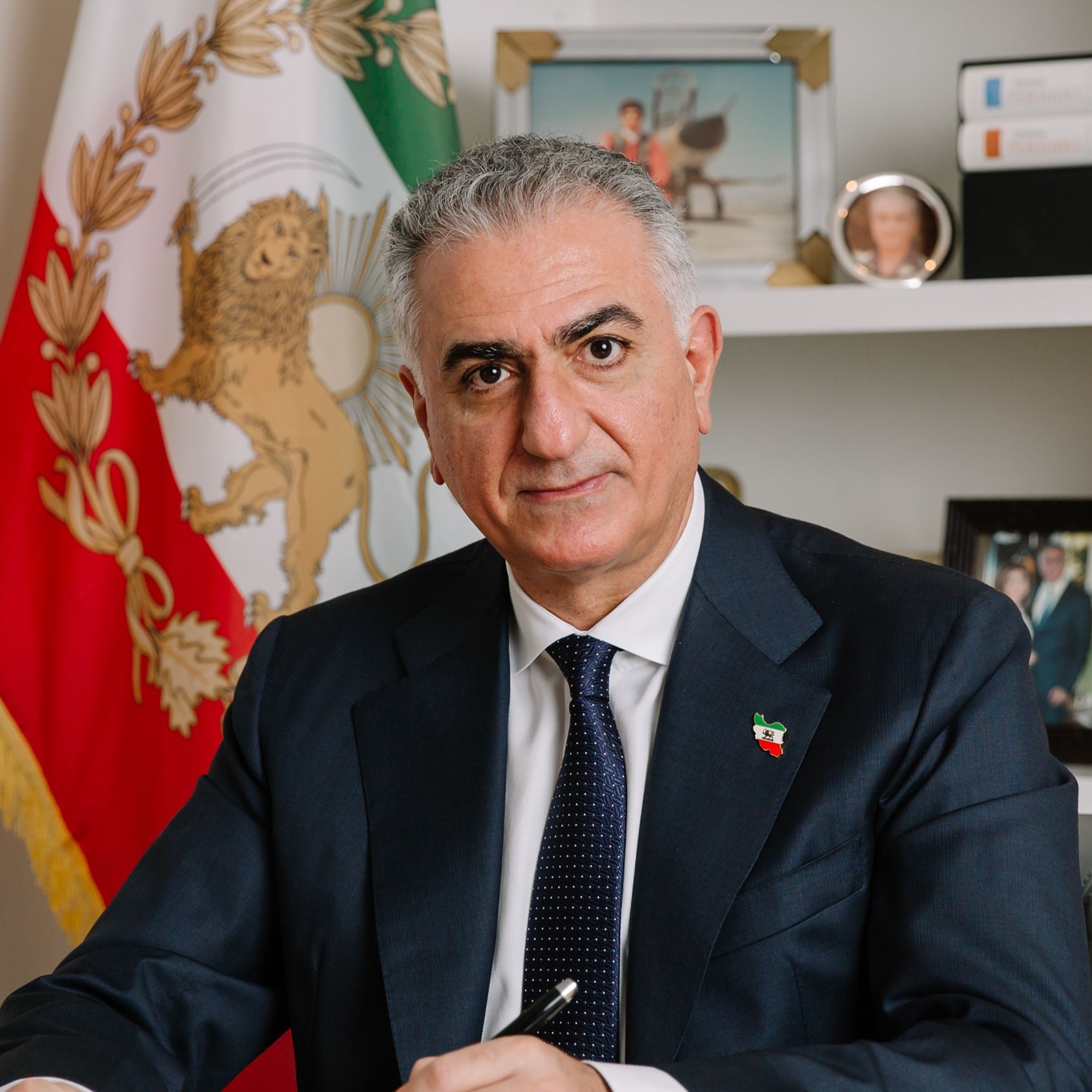
Reza Pahlavi, son of the last Shah Mohammad Reza Pahlavi, represents a symbolic alternative to Iran's Islamic Republic among opposition groups. His potential return—whether symbolic or substantive—would carry enormous political significance for both the regime and its opponents. For international observers, such a visit would signal either a dramatic shift in Iran's political trajectory or a calculated move by opposition forces to challenge regime legitimacy. The low probability assigned reflects consensus skepticism that such conditions will materialize within the timeframe.
Key Factors
Several structural factors weigh heavily against this outcome. The Islamic Republic maintains tight control over Iranian airspace and borders, with security apparatus fully mobilized to prevent opposition figures from entering the country. Reza Pahlavi currently resides outside Iran and lacks any formal political position or organization within the country that could facilitate a coordinated return. Historically, exiled Iranian opposition figures have faced severe legal jeopardy upon entering Iranian territory, facing charges ranging from sedition to espionage. The regime has shown no indication of permitting such a visit, which would be interpreted as a fundamental challenge to its legitimacy. Additionally, any visit would require either an extraordinary shift in Iran's political situation—such as regime collapse or fundamental governance change—or a covert entry operation with minimal precedent in recent Iranian history.
Outlook
For the 5.5% probability to materialize substantially, markets would likely require evidence of either dramatic political transformation in Iran, explicit regime tolerance signaling, or credible reporting of active planning for such a visit. Developments such as major escalations in internal Iranian opposition movements, international diplomatic breakthroughs changing Iran's isolation, or explicit statements from Reza Pahlavi or opposition coalition members regarding imminent return plans could shift market expectations. The current pricing reflects a baseline assumption that the status quo persists—a divided opposition abroad, a consolidated security apparatus at home, and Reza Pahlavi remaining in exile through mid-2026. Any meaningful upward movement in these odds would likely require verifiable evidence of changed circumstances rather than speculation about Iran's longer-term trajectory.