Market Overview
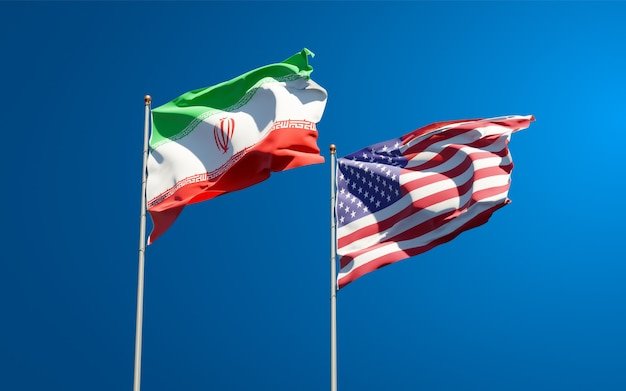
Prediction markets currently assess an 18.5% probability of Iranian regime collapse by December 31, 2026, with the probability unchanged over the past 24 hours despite trading volume exceeding $16 million. The stable odds indicate a consolidated market view rather than shifting sentiment, though the non-trivial probability reflects genuine uncertainty about Iran's political future. For context, an 18.5% probability implies traders view regime collapse as possible but unlikely—roughly equivalent to rolling a die and getting a specific number between one and six.
Why It Matters
The question of regime stability in Iran carries significant geopolitical implications beyond Iran's borders. The Islamic Republic's survival or collapse would reshape Middle Eastern power dynamics, affect global energy markets given Iran's oil production, influence nuclear negotiations and proliferation risks, and potentially alter regional conflicts in Syria, Iraq, Lebanon, and Yemen. For investors and analysts, the market probability offers a quantified baseline for assessing Iranian political risk across a two-year horizon. The relatively modest odds suggest markets expect the regime to retain sufficient control and resilience to survive through 2026, despite documented vulnerabilities.
Key Factors Driving Current Odds
Several structural considerations likely inform the 18.5% assessment. The Islamic Republic possesses institutional durability, including entrenched security apparatus (IRGC, Basij militia) and clerical hierarchy that have weathered decades of internal dissent and external pressure. Iran's recent history shows the regime successfully repressed major protest movements, including the 2019-2020 gasoline price demonstrations and subsequent unrest following Mahsa Amini's death in 2022. Additionally, the two-year timeframe is relatively compressed for fundamental regime change—historical precedent suggests such transitions typically develop over longer periods or occur through sudden triggering events (military intervention, catastrophic war, or economic collapse). However, factors supporting non-zero collapse probability include persistent youth unemployment, currency devaluation, international sanctions, documented alienation of urban populations, and historical examples of seemingly stable authoritarian regimes experiencing sudden collapse. The regime also faces potential vulnerabilities including ethnic tensions in border regions, succession uncertainty regarding aging Supreme Leader Ayatollah Khamenei, and the risk of cascading crises (escalated regional conflict, severe economic shock) that could undermine state capacity.
Outlook
Market participants appear to be pricing regime collapse as a tail-risk scenario rather than a base-case expectation through end-2026. Movements in this market would likely respond to several potential catalysts: escalation of regional conflict involving Iran that destabilizes internal security, unexpected severe economic deterioration beyond current sanctions, documented large-scale defections or mutiny within security forces, or significant leadership succession crises within the clerical establishment. Conversely, successful economic stabilization, reduced regional military tensions, or effective repression of organized opposition movements could push probabilities lower. The market's current stability suggests traders see the next two years as more likely to produce incremental political change—whether reform, succession planning, or localized unrest—rather than systemic regime collapse, despite acknowledging material tail risks.