Market Overview
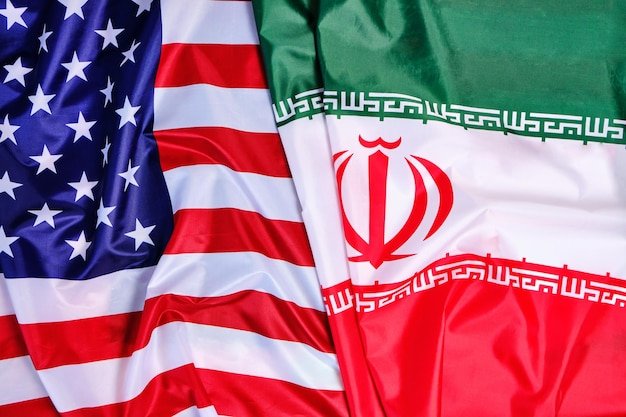
Prediction market traders are pricing the likelihood of an Iranian commitment to surrender enriched uranium at 12.5%, implying roughly an 7-to-1 odds against such an agreement materializing within the next 18 months. The market has remained stable at this level, with nearly $1 million in trading volume, indicating a consensus view among participants rather than recent shifts in sentiment. The resolution criteria are deliberately broad—accepting either unilateral Iranian announcements or agreements with the U.S., Israel, or other parties, and counting pledges to surrender any portion of the stockpile, not merely caps on enrichment levels.
Why It Matters
Iran's enriched uranium program sits at the core of regional security concerns and broader nonproliferation efforts. The Islamic Republic currently maintains a stockpile enriched to near-weapons-grade levels (around 60% purity), substantially above the 3.67% threshold set under the 2015 Joint Comprehensive Plan of Action. A public Iranian commitment to surrender this material would represent a dramatic reversal in nuclear posture and likely signal either a fundamental shift in Iran's strategic calculations or successful pressure and incentive structures from external actors. Such an agreement would reshape Middle Eastern geopolitics and nuclear security frameworks.
Key Factors
The low probability reflects multiple structural barriers. The 2015 nuclear deal collapsed in 2018 after the U.S. withdrawal, and subsequent negotiations to restore it have stalled since 2022, with Iran and Western powers far apart on key provisions. Iran has historically framed uranium enrichment as a sovereign right and symbol of national independence, making voluntary surrender politically costly for Tehran. Recent escalations—including Israeli military strikes on Iranian facilities and Iranian ballistic missile responses—have heightened tensions rather than created conditions for negotiation. The incoming U.S. administration's approach to Iran policy, combined with domestic political pressures within Iran, will be critical determinants of negotiating appetite.
Outlook
For the probability to shift materially upward, several developments would be required: a significant diplomatic breakthrough or change in U.S. Iran policy, credible economic incentives or sanctions relief that shift Iran's cost-benefit calculation, or extraordinary external pressure that leaves Tehran few alternatives. Conversely, further military escalation or hardline political shifts in Tehran or Washington could push the probability even lower. The 18-month timeframe through June 2026 is relatively compressed for reversing years of deadlock, suggesting traders see only a narrow window for dramatic policy shifts. Any movement in this market will likely track broader geopolitical events rather than incremental diplomatic progress.