Market Overview
The prediction market on Iran's potential agreement to surrender enriched uranium shows a current probability of 12.5%, with stable pricing over the past 24 hours despite $931,047 in trading volume. The low odds reflect skepticism among market participants about the likelihood of a major diplomatic breakthrough on Iran's nuclear program within the 18-month timeframe. The binary nature of the market—requiring only a public agreement to surrender any portion of the stockpile, not actual transfer—suggests that even the modest probability accounts for difficulty in achieving formal pledges, let alone comprehensive agreements.
Why It Matters
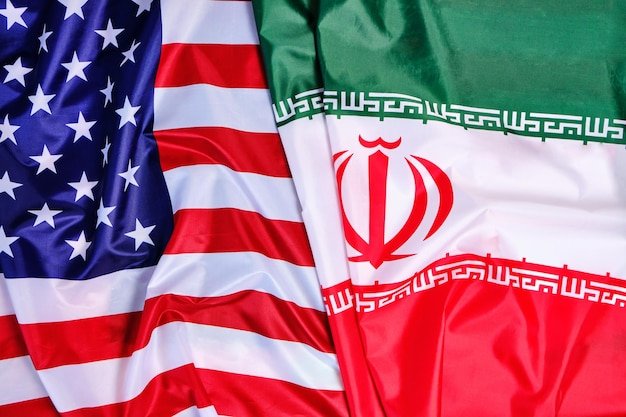
Iran's enriched uranium stockpile represents a core flashpoint in U.S.-Iran relations and broader Middle East security concerns. The volume and enrichment level of Iran's uranium directly affect estimates of how quickly it could develop nuclear weapons materials. A public Iranian commitment to surrender this stockpile would signal a dramatic shift in Tehran's nuclear posture and would likely indicate either a major breakthrough in diplomatic negotiations or significant pressure on Iran's economy and security situation. The resolution criteria are notably permissive—accepting unilateral announcements, partial surrenders, or pledges made as part of broader peace processes—indicating that even a modest diplomatic opening would qualify.
Key Factors
Several structural factors constrain the probability. First, Iran has historically resisted surrendering uranium enrichment capabilities, viewing them as central to national sovereignty and technological advancement. Second, the geopolitical context has shifted significantly, with tensions between Iran and regional adversaries elevated, making compromises more politically costly for Tehran's leadership. Third, the resolution date requires an agreement by June 30, 2026—a relatively near-term deadline that allows limited time for the multilateral negotiations and domestic political processes typically required for such major reversals. Fourth, previous nuclear negotiations, including the 2015 Joint Comprehensive Plan of Action (JCPOA), involved limits and inspections rather than stockpile surrender, suggesting that even diplomatic consensus tends toward containment rather than elimination of uranium programs.
Outlook
For the probability to shift materially upward, several scenarios would need to materialize. A comprehensive regional peace agreement brokered by major powers could make uranium surrender a negotiable concession. Severe economic pressure on Iran could increase the incentive for nuclear concessions. Alternatively, a significant change in Iranian leadership or political orientation toward cooperation could alter calculations. Conversely, continued escalation in regional conflicts or further isolation of Iran would likely keep probabilities near current levels. Market participants appear to have calibrated the 12.5% figure to reflect these possibilities while acknowledging that Iran's historical behavior and current geopolitical positioning make such agreements unlikely absent extraordinary circumstances.