Market Overview
The probability of Iran agreeing to surrender its enriched uranium stockpile has remained stable at 12.5% over the past 24 hours, with significant trading volume of $931,047 suggesting active but balanced positioning. This low baseline probability reflects the market's assessment that a major Iranian nuclear concession is unlikely within the next 15 months. The stability in odds indicates no recent catalyzing events, though the nuclear question remains one of the most consequential geopolitical flashpoints globally.
Why It Matters
Iran's enriched uranium stockpile represents a central element in international nuclear negotiations and a primary concern for Western powers and Israel. Any Iranian agreement to surrender such material would represent a historic shift in the nation's nuclear posture and could signal a fundamental change in regional diplomacy. The market's resolution criteria are deliberately broad—accepting any agreement, whether unilateral, bilateral, or as part of a broader peace framework—suggesting the question captures the likelihood of a significant diplomatic breakthrough rather than a narrow technical outcome.
Key Factors
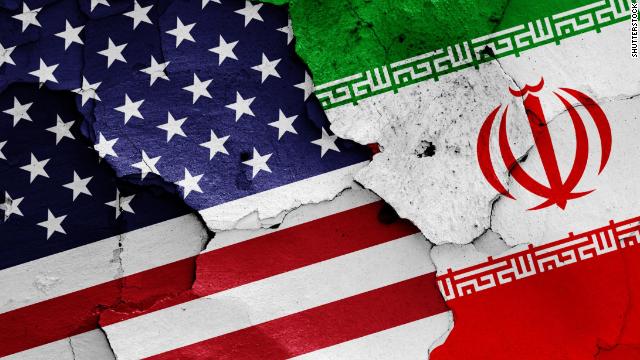
Several structural dynamics support the current low probability. The collapse of the Joint Comprehensive Plan of Action (JCPOA) in 2018 and subsequent U.S. withdrawal created deep mutual mistrust between Iran and Western negotiators. Iran's nuclear program has continued advancing during this period, strengthening its leverage but also hardening positions on all sides. The current geopolitical environment, marked by regional conflicts involving Iranian-backed actors and Israeli-Iranian tensions, provides limited space for major nuclear compromises. Additionally, domestic political constraints within Iran—where nuclear sovereignty enjoys broad public support—make unilateral concessions domestically costly for Iranian leadership.
Outlook
For the probability to materially increase, markets would likely require signals of either significant diplomatic engagement through neutral intermediaries or a major shift in regional security dynamics that creates mutual incentives for negotiation. The 15-month timeframe ending March 31, 2026 encompasses a new U.S. administration, providing potential but uncertain conditions for diplomatic reset. Without evidence of active high-level negotiations or an unexpected reduction in regional tensions, the market appears positioned to maintain consensus that a formal Iranian commitment to uranium surrender remains a low-probability event. Any breakthrough would require not only agreement on principle but also credible verification mechanisms—additional complexity that extends beyond the political barriers.